Logo
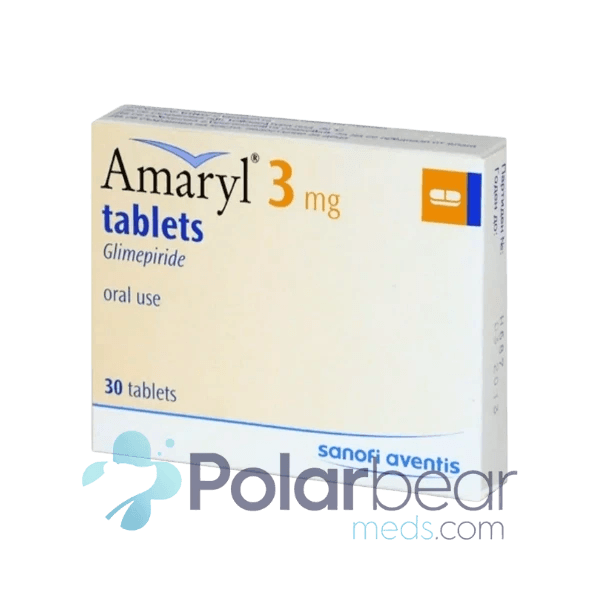
Amaryl - Image 1
USA Flag
Average USA Price$75.7Save $38.4

Amaryl

No packages found
price-match-guarantee

Price Match Guarantee

We offer competitive pricing on all our medications. Find a lower price? We'll match it from any verified Canadian online pharmacy! Know More

Similar Medications

How to Order

Ordering your medication online is simple and convenient.

STEP 01

Select the prescribed dosage and quantity, then proceed to checkout.

STEP 02

Sign in or create a new account.

STEP 03

Upload your prescription.

STEP 04

Complete your purchase by processing the payment.

Shipping takes approximately 3-5 business days.

Our Pharmacy Reviews

Read what our customers have to say about their shopping experience.

Product Details

Description

Amaryl, known generically as glimepiride, is an FDA-approved medication. It helps in managing diabetes type 2 in adults. This drug is part of the sulfonylurea class, which operates by stimulating insulin release from the pancreatic beta cells, thus lowering blood sugar levels. To achieve optimal results, it is used in conjunction with a tailored diet and exercise regimen. Amaryl is available in tablet form, offering flexibility in dosing with strengths available in 1 mg, 2 mg, and 4 mg to accommodate varying therapeutic needs and patient responses. So, if you are looking to buy Amaryl online from Canada, get a valid prescription from your doctor.

Amaryl Tablet, approved by the FDA, is part of the sulfonylurea group of medicines used to treat type 2 diabetes mellitus in adults. It plays a crucial role in managing blood sugar levels, helping to prevent severe diabetes complications like kidney damage and blindness. Amaryl Tablet can be administered alone or in combination with other medications. It is typically taken just before or with the first meal of the day. For optimal results, it should be consumed at the same time each day, and your doctor will periodically adjust the dose based on your blood sugar readings.

Continued use of Amaryl Tablet is essential, even if your blood sugar levels are stable and you feel well. Stopping the medication abruptly without a doctor’s approval can cause your blood sugar to spike, increasing the risk of severe complications such as kidney damage, blindness, nerve problems, and even limb loss. It is important to remember that this medication is part of a comprehensive treatment plan that includes a healthy diet, regular physical activity, and possibly weight loss as recommended by your healthcare provider. Managing your lifestyle is fundamental in controlling diabetes.

Common side effects of Amaryl include hypoglycemia, nausea, headaches, weakness, and dizziness. Be aware of low blood sugar symptoms like sweating, dizziness, and shaking, and know how to address them. Always have a quick source of sugar like candy or fruit juice handy, especially since consuming alcohol can further lower your blood sugar. Weight gain may occur as a side effect for some users.

Uses and Benefits

Amaryl is a medication that has been approved by the FDA for the treatment of type 2 diabetes in adults. It is designed to help lower blood sugar levels.

Dosage

What Strengths Does Amaryl Come In?

This medication is available in tablet form and in the following strengths:

  • Amaryl 1 mg tablet
  • Amaryl 2 mg tablet
  • Amaryl 4 mg tablet

What Is the Typical Dosage of Amaryl?

When starting treatment with Amaryl, your doctor will typically begin with a low dosage and adjust it gradually to find the right level for your specific needs. The goal is to find the smallest effective dose that achieves the desired results.

While there are common dosages that are generally recommended, it’s crucial that you follow the specific dosage your doctor prescribes for you. They will determine the most appropriate dosage based on your health condition and response to the treatment.

Dosage Guidelines for Type 2 Diabetes Treatment with Amaryl

  • Starting Dosage:
    • Initial Dose: Begin with 1 mg or 2 mg of Amaryl, taken once daily with the first major meal of the day.
  • Monitoring and Adjustments:
    • Blood Sugar Monitoring: After starting Amaryl, regularly check your blood sugar levels. Your doctor will guide you on how to effectively track these levels.
    • Dose Adjustments: If your blood sugar remains high after 1 to 2 weeks, your doctor may increase your dose. This adjustment might continue every 1 to 2 weeks until the optimal dose is determined.
    • Maximum Dose: The highest possible dose of Amaryl is 8 mg per day.
  • Ongoing Management:
    • Regular Testing: Keep monitoring your blood sugar levels regularly to ensure they stay within your target range. Additionally, your doctor will order A1C tests to gauge your average blood sugar level over the past 2 to 3 months.
    • Consult Your Doctor: If you have any concerns about your blood sugar levels or A1C goals, discuss them with your doctor.
  • Personalized Dosage Considerations:
    • Your doctor might adjust your Amaryl dosage based on several factors, including:
      • Age
      • Other medications you are taking
      • Existing medical conditions
      • Kidney function
      • Severity of your type 2 diabetes

[Note: Remember, these recommendations may vary from person to person. Discuss it with your doctor, and they’ll customize your dosage accordingly.]

Usage Guide

Taking Amaryl correctly is important to help manage your blood sugar levels effectively. Here’s a simple guide to help you understand how to take it safely and efficiently:

    • How to Take Amaryl: Follow your doctor’s instructions carefully when taking Amaryl. It comes in the form of an oral tablet that you swallow.
  • When to Take Amaryl:
    • You should take Amaryl once a day with your breakfast or your first substantial meal of the day.
    • Taking it at the same time each day helps keep your blood sugar levels stable.
    • If you don’t eat breakfast, wait to take your dose with your first main meal of the day.
    • If you’re not eating due to illness, fasting, or any other reason, skip your dose because Amaryl should always be taken with food to avoid low blood sugar (hypoglycemia).
    • To help you remember your dose, consider setting an alarm, using a timer, or downloading a medication reminder app on your phone.
  • Accessible Labels and Containers: If you have trouble reading the prescription label, ask your doctor or pharmacist about options such as:
    • Large print labels
    • Braille labels
    • Smartphone-scannable codes that convert text to speech
  • If opening the medication bottle is difficult, your pharmacist may be able to provide an easy-to-open container or recommend tools to make opening it easier.
  • Taking Amaryl with Food: Always take Amaryl with food. Your blood sugar naturally rises after eating, and Amaryl helps to lower it effectively when taken with a meal. Taking it without enough food can cause your blood sugar to drop too low, leading to hypoglycemia.
  • Can Amaryl Be Crushed, Split, or Chewed?: Amaryl tablets have a scored line, which means they can usually be split if needed. However, it’s best to check with your doctor or pharmacist before splitting your tablet.

The manufacturer hasn’t provided information on crushing or chewing the tablets. If you have trouble swallowing, talk to your healthcare provider for the best solution. By following these guidelines, you can take Amaryl safely and effectively as part of your diabetes management plan.

[Note: Your doctor will decide the right amount for you based on your condition, following guidelines and studies on the drug. They’ll adjust it as needed over time.]

How It Works

Amaryl is a medication used to manage type 2 diabetes, a condition where blood sugar levels are higher than normal. This happens because your body doesn’t respond effectively to insulin, a hormone that helps move sugar from the blood into cells where it’s used for energy. When your body resists insulin, sugar accumulates in the blood instead of being used by cells.

The way Amaryl works is by stimulating your pancreas to release more insulin than it usually does. By increasing insulin levels in your blood, Amaryl helps lower your blood sugar levels, making it easier for your body to manage and use sugar effectively. This process not only helps in controlling blood sugar levels but also aids in preventing the complications associated with high blood sugar.

Side Effects

Amaryl, like any medication, can cause side effects that may range from mild to serious. Some of the most common side effects are listed, but it’s important to know that not everyone will experience them, and there may be other side effects not mentioned. If you have any concerns about the side effects of Amaryl, it’s always a good idea to talk to your doctor or pharmacist. They can provide more information and helpful advice on how to manage any side effects that might be bothering you or affecting your daily routine.

Common Side Effects of Amaryl

Amaryl, a medication used to manage blood sugar levels, can cause some side effects, though they are usually temporary and often resolve on their own within a few days to weeks. If you find that the side effects linger longer than this period, become bothersome, or intensify, it’s important to discuss this with your doctor or pharmacist. Common side effects you might experience while taking Amaryl include:

  • Headache: You may feel pain or a persistent ache in your head.
  • Nausea: This involves feeling uneasy in your stomach, with a sensation that you might vomit.
  • Dizziness: You might feel lightheaded or as if the room is spinning, which can affect your balance.
  • Weakness: There may be a general feeling of tiredness or lack of energy.
  • Flu-like symptoms: These can include body aches and possibly other symptoms similar to the flu.
  • Weight gain: You might notice an increase in your body weight.

Serious Side Effects of Amaryl

Amaryl is generally safe, but it can sometimes lead to serious side effects. If you notice any severe reactions while taking Amaryl, it’s crucial to contact your doctor right away. For emergencies that seem life-threatening, don’t hesitate to call 911 or your local emergency number. Here are some of the serious side effects to be aware of:

  • Increased Alanine Aminotransferase Levels: This involves a rise in a specific liver enzyme called alanine aminotransferase. While it might not cause noticeable symptoms initially, a significant increase can indicate liver damage, which is a serious condition.
  • Low Blood Sugar (Hypoglycemia): Amaryl can cause your blood sugar levels to drop too low, a condition known as hypoglycemia. Symptoms might include shakiness, sweating, confusion, dizziness, and feeling weak or jittery.
  • Allergic Reaction: In rare cases, you might have an allergic reaction to Amaryl. Signs of this include itching, swelling (particularly of the face, lips, tongue, or throat), severe dizziness, and trouble breathing.

[Note: Remember, this list may not cover all possible side effects. Always consult with your healthcare giver for medical advice about side effects.]

Warnings

Before taking Amaryl (glimepiride), it’s important to be aware of certain precautions to use the medication safely and effectively. Here’s what you need to know.

  • Take Only as Prescribed: Do not take Amaryl unless it has been prescribed by your doctor. Always follow your doctor’s instructions carefully to get the best results.
  • Do Not Share Your Medication: Even if someone else has diabetes, do not share your medication with them. Amaryl is prescribed based on individual health needs, and using it without proper medical advice can be harmful.
  • Keep Away from Children: Store Amaryl in a safe place, out of the reach of children, to prevent accidental ingestion.
  • Health Conditions That Can Affect Your Dosage: Certain situations, such as fever, infection, surgery, or injuries, can affect how your body handles diabetes medications. If you’re experiencing any of these, talk to your doctor to see if your medication needs adjusting.
  • Know How to Manage Blood Sugar Levels: Work with your healthcare provider to understand how to prevent and manage low blood sugar (hypoglycemia) and high blood sugar (hyperglycemia). This can help you avoid serious diabetes-related complications.
  • Older Adults: If you are 65 years or older, you may have a higher risk of experiencing certain side effects from Amaryl. Speak with your doctor to understand the potential risks and benefits for your age group.
  • Impact on Alertness: Amaryl can sometimes affect your alertness and coordination, especially if your blood sugar becomes too low. Avoid driving or doing tasks that require focus until you know how the medication affects you.
  • When to Take Amaryl: Take your daily dose with breakfast or your first substantial meal of the day to help regulate your blood sugar effectively.
  • Increased Sensitivity to Sunlight: Amaryl can make your skin more sensitive to sunlight, sunlamps, and tanning beds, which may lead to severe sunburns, blisters, or swelling. To protect your skin, wear sunscreen, a hat, and protective clothing when spending time outdoors.

By keeping these precautions in mind and following your doctor’s guidance, you can use Amaryl safely as part of your diabetes management plan.

Safety Guide

Before taking Amaryl, it’s important to discuss your health history with your doctor. Certain medical conditions may affect whether this medication is right for you. Here are some important precautions to consider.

  • Heart or Blood Vessel Problems: If you need to take Amaryl (a type of sulfonylurea drug) for a long time, it may increase the risk of heart-related problems over time. If you already have heart disease or issues with your blood vessels, your doctor might suggest a different treatment option that’s safer for you.
  • G6PD Deficiency: Amaryl may not be safe if you have a genetic condition called G6PD deficiency. This condition affects your red blood cells, and taking Amaryl could lead to a condition called hemolytic anemia, where red blood cells break down faster than your body can replace them. If you have this condition, make sure to tell your doctor. If you’re unsure, your doctor can perform a test to check for G6PD deficiency before prescribing Amaryl.
  • Pregnancy: Taking Amaryl during pregnancy may carry some risks. Although there’s limited data from human studies, animal research suggests it could harm the fetus. If you’re pregnant, your doctor will carefully weigh the potential benefits of the medication against its risks. Always follow your doctor’s advice about whether Amaryl is suitable for you during pregnancy.
  • Breastfeeding: The safety of Amaryl while breastfeeding is unclear. There’s limited evidence suggesting the medication may pass into breast milk and potentially affect the baby. If you’re prescribed Amaryl while breastfeeding, your doctor may recommend monitoring your baby’s blood sugar levels as a precaution. Always discuss the risks and benefits with your healthcare provider to ensure the safety of both you and your baby.
  • Birth Control: Amaryl is generally not prescribed during pregnancy. If you or your partner can become pregnant, it’s important to discuss birth control options with your doctor to prevent any risks while taking this medication.
  • Driving: Driving requires focus and alertness, which can be affected by low or high blood sugar levels. Symptoms like dizziness, confusion, or drowsiness can make driving unsafe. If you experience these symptoms, avoid driving and take steps to stabilize your blood sugar. Managing your blood sugar effectively is key to staying safe on the road.
  • Kidney and Liver Problems: If you have kidney or liver issues, let your doctor know before starting Amaryl. These conditions may affect how your body processes the medication, and your doctor may need to adjust your treatment plan.
  • Alcohol Consumption: Drinking alcohol can interfere with your blood sugar levels and how Amaryl works. It’s important to limit alcohol intake and talk to your doctor about how to safely manage alcohol consumption while taking this medication.
Contraindications

There are two main reasons why Amaryl may not be the right medication for you:

  • Allergic Reaction: If you’ve ever had an allergic reaction to Amaryl or any of its ingredients, your doctor will likely recommend a different medication to avoid any harmful effects.
  • Sulfonamide Allergy (Sulfa Allergy): If you are allergic to sulfonamides, also known as sulfa drugs, Amaryl may not be safe for you. Since Amaryl belongs to a similar group of drugs, taking it could trigger an allergic reaction.

If you have experienced any of these allergies, talk to your doctor. They can suggest other diabetes medications that are safer and more suitable for your condition.

Missed Dose

If you miss a dose of Amaryl, it’s best to ask your doctor or pharmacist for advice on what to do. The manufacturer hasn’t provided specific guidelines for missed doses, so your healthcare provider can guide you based on your personal treatment plan.

Tips to Avoid Missing a Dose: To help you remember to take your medication on time, consider:

  • Setting an alarm or timer as a daily reminder.
  • Using a smartphone app to track your medication schedule.
  • Placing your medication in a visible location that reminds you to take it with your meal.

Following a routine can help you stay on track with your diabetes management and get the best results from your treatment.

[Note: If you have missed a dose of your medication and are unsure about when to take the next one, immediately consult your doctor or pharmacist.]

Overdose
  • Never take more Amaryl than your doctor has prescribed. Taking too much can cause severe hypoglycemia (very low blood sugar), which can lead to serious health problems. Symptoms of an overdose are the same as low blood sugar and may include:
    • Seizures – sudden, uncontrolled body movements
    • Loss of consciousness – passing out or being unresponsive
    • Coma – a state of deep unconsciousness that requires immediate medical attention
  • If you think you have taken too much Amaryl, call your doctor right away. You can also reach out to America’s Poison Centers at 800-222-1222 or use their online tool for advice.
  • If you experience severe symptoms, such as seizures or loss of consciousness, call 911 or your local emergency number immediately, or go to the nearest emergency room for urgent medical care.

To prevent accidental overdose, always follow your prescribed dosage and talk to your doctor if you have any concerns.

[Note: If you consumed more than the recommended dose, get medical help right away, or call the Poison Help line at 1-800-222-1222.]

Storage Guide

Proper storage of Amaryl is essential to ensure the medication remains effective until its expiration date. Here’s how to store it correctly:

  • Temperature: Keep Amaryl tablets at room temperature, ideally between 68°F and 77°F (20°C to 25°C).
  • Location: Store the tablets in a tightly sealed container to protect them from moisture. Keep the container away from direct sunlight and avoid placing it in damp areas like bathrooms, where humidity can affect the medication.
  • Safe Disposal: If you have leftover Amaryl that you no longer need, it’s important to dispose of it in a way that keeps it out of reach of children and pets and minimizes environmental impact. Do not simply throw it in the trash or flush it down the toilet.
  • Medication Take-Back: The best way to dispose of unused medication is through a medication take-back program. You can contact your local waste management authorities or a pharmacy to find out about take-back programs in your area.

By following these storage and disposal guidelines, you can help ensure that Amaryl remains effective when you need it and is safely discarded when you don’t.

[Note: Discuss with your healthcare professional about the proper disposal of any unused medicine and any questions you may have regarding its storage.]

Interactions

Amaryl can interact with various medications, which can affect how well it works or increase the risk of side effects. Before taking Amaryl, it’s crucial to discuss all the medications you are currently taking with your doctor and pharmacist.

Medications That Interact with Amaryl: Before you start taking Amaryl, make sure to inform your healthcare provider about all the prescription, over-the-counter medications, vitamins, herbs, and supplements you are using. This information helps prevent potential negative interactions between Amaryl and other substances you are taking.

Medications That May Increase the Risk of Low Blood Sugar

Certain medications can increase your risk of developing hypoglycemia (low blood sugar) when taken with Amaryl. It’s important to monitor your blood sugar levels closely if you use any of the following:

  • ACE Inhibitors: Such as lisinopril (Prinivil, Zestril), which are typically used to treat high blood pressure.
  • Insulins: For example, insulin glargine (Lantus, Basaglar), which also lower blood sugar.
  • Other Oral Diabetes Medications: Like pioglitazone (Actos).
  • H2 Blockers: Such as famotidine (Pepcid), used to reduce stomach acid.
  • Antibiotics: For instance, clarithromycin (Biaxin).
  • Antifungal Drugs: Such as fluconazole (Diflucan) and oral miconazole.
  • Blood Thinners: Like warfarin (Jantoven).
  • Antidepressants: Such as fluoxetine (Prozac).
  • NSAIDs: Including naproxen (Aleve) and ibuprofen (Advil), which are used to relieve pain and inflammation.

Medications That May Cause High Blood Sugar

Certain drugs can increase your blood sugar levels, which can complicate the management of your diabetes when taken with Amaryl. Some of these medications include:

  • Protease Inhibitors: Such as ritonavir, used in HIV treatment.
  • Atypical Antipsychotic Drugs: Such as clozapine (Clozaril) and olanzapine (Zyprexa), used for mental health conditions.
  • Corticosteroids: Such as prednisone, often prescribed for inflammation.
  • Thiazide Diuretics: Like hydrochlorothiazide, used to treat high blood pressure.
  • Thyroid Hormone Drugs: Such as levothyroxine (Synthroid), is used for thyroid disorders.
  • Estrogen-containing Drugs: Like some birth control pills.
  • Sympathomimetic Drugs: Such as albuterol (ProAir, Ventolin HFA) and epinephrine (Adrenaclick, Auvi-Q), used for asthma and allergic reactions.

Medications That May Hide Early Symptoms of Low Blood Sugar

Taking certain medications can mask the early signs of low blood sugar, a side effect of Amaryl. Recognizing these symptoms is crucial for preventing serious complications. These medications include:

  • Beta-blockers: Such as atenolol (Tenormin) and metoprolol (Lopressor, Toprol XL), typically used for heart conditions.
  • Clonidine (Kapvay): Used for hypertension.
  • Reserpine: Another medication for high blood pressure.

Interactions with Colesevelam

Colesevelam (Welchol) is a medication used to lower cholesterol levels. To avoid reducing the effectiveness of Amaryl, it’s important to take your dose of Amaryl at least 4 hours before taking colesevelam.

Discuss all your current medications with your doctor or pharmacist to ensure that you can safely use Amaryl without significant interactions. They can help adjust your treatment plan to manage your diabetes effectively.

What Are the Other Amaryl Interactions?

When taking Amaryl for diabetes management, it’s essential to be aware of how other substances might interact with your medication. Here’s what you should know about interactions with herbs, supplements, foods, and alcohol.

  • Herbs and Supplements: While no specific herbs or supplements have been reported to directly interact with Amaryl, some may naturally lower blood sugar levels. Herbs like cinnamon, bitter melon, and fenugreek could potentially increase the risk of hypoglycemia (low blood sugar) when used with Amaryl. Always consult with your doctor or pharmacist before starting any new herbal or dietary supplements to ensure they won’t interfere with your diabetes treatment.
  • Foods: Currently, there are no specific foods known to interact with Amaryl. However, it’s always a good idea to discuss your diet with your doctor, especially if you have concerns about certain foods affecting your blood sugar levels.
  • Alcohol: Drinking alcohol while on Amaryl can complicate blood sugar management. Alcohol may increase the risk of experiencing low blood sugar, which is a common side effect of Amaryl. Both short-term and long-term alcohol consumption can affect how well Amaryl works in lowering your blood sugar. For safe diabetes management, talk with your doctor about how much alcohol is safe for you to consume while you are taking Amaryl.

By understanding these interactions and discussing your lifestyle habits with your healthcare provider, you can maintain better control over your blood sugar levels while using Amaryl.

[Note: This isn’t a complete list, and there could be other drugs that interact with Amaryl. Make sure to tell your doctor about any prescription, over-the-counter medicines, and herbal products you’re taking.]

Alternatives

If you’re looking for alternatives to Amaryl for managing type 2 diabetes, there are several other medications available that might be a better fit for you. It’s important to discuss these options with your doctor, who can provide personalized advice based on your specific health needs.

Alternatives to Amaryl for Type 2 Diabetes

Here are some medications that are commonly used to treat type 2 diabetes:

  • Sulfonylureas:
    • DiaBeta (glyburide)
    • Glucotrol (glipizide)
    • Chlorpropamide
  • Combination Therapies:
    • Duetact (glimepiride/pioglitazone)
  • Insulins:
    • Lantus (insulin glargine)
    • Basaglar (insulin glargine)
    • Biguanides:
    • Fortamet (metformin)
    • Riomet (metformin)
    • Glumetza (metformin)
  • DPP-4 Inhibitors:
    • Januvia (sitagliptin)
    • Onglyza (saxagliptin)
  • GLP-1 Receptor Agonists:
    • Trulicity (dulaglutide)
    • Rybelsus (semaglutide)
    • Ozempic (semaglutide)

Note that some of these medications are used off-label for type 2 diabetes, which means they are FDA-approved but used for a purpose different from the original approval. Always talk with your healthcare provider to determine which treatment is best for your condition.

[Note: Your doctor will choose what’s best for you. Don’t use any of these alternative medications without consulting your healthcare provider. Taking them by yourself may cause serious side effects.]

Cost & Coupons

Amaryl, a widely prescribed medication for managing type 2 diabetes, can be expensive in the U.S., with monthly costs often reaching hundreds of dollars without insurance. However, you can save significantly by choosing to buy Amaryl online from Canada through Polar Bear Meds. We provide Amaryl at a much lower price, ensuring affordable access to this essential diabetes medication for U.S. residents. To make it even more budget-friendly, use the Amaryl coupon code “WELCOMEPB10” to get an extra 10% off your first order. Plus, our referral program allows you to save up to $200 on your medication expenses. At Polar Bear Meds, we prioritize your health by offering authentic, low-cost medications with fast and reliable delivery straight to your doorstep.

FAQ

Guarantee

AtPolarBearMeds.com, we assure you the most affordable price to buy Amaryl online from Canada. Rest easy knowing that your order will be dispatched from a reputable Licensed Canada Pharmacy Online, adhering to the highest standards of quality and authenticity. Our discounted medications are shipped directly from Canada to your doorstep, ensuring a swift and secure delivery experience. To conveniently buy Amaryl online for type 2 diabetes treatment at a substantial cost, call us at 1-888-779-2193 toll-free.

Important Notice

The content provided on the Polar Bear Meds website serves to increase knowledge about healthcare products and medical conditions and is strictly for informational purposes. It should not replace professional medical advice. We urge you to consult with a qualified healthcare professional prior to utilizing any prescription or over-the-counter medication. Our platform grants access to an extensive array of products, sourced internationally, including Canada. We collaborates with a licensed pharmacy partner in Canada and trusted dispensing pharmacies globally. All affiliated fulfillment centers are accredited by the regulatory authorities of their respective countries.

Dr. Jackson Miller

Medically Reviewed by "Dr. Jackson Miller (M.D)"

Dr. Jackson Miller is a board-certified medicine physician & hospitalist. He is a healthcare professional with a strong background in patient care. With years of experience and a patient-first approach, he believes the foundation of good health is a patient who feels informed and empowered. He contributes to medical content review, drawing on his background in clinical practice and patient education. He focuses on presenting health information in a clear, accurate, and accessible way to help readers make informed decisions. His work emphasizes clarity, evidence-based guidance, and understandable explanations of medical topics.

Find Dr. Jackson Miller on:LinkedIn
Price matching guarantee certificate

We offer competitive pricing on all our medications. We'll match if you find a lower price on an identical product at a verified Canadian online pharmacy!

Eligibility Criteria:

  • The competitor's price must be active (no past/future sales).
  • It is only valid for Canadian online pharmacies with a verifiable address.
  • The product must match the strength, pack size, quantity, manufacturer & origin.
  • There are no price matches on used/expired medications.
  • You must submit your requests before placing an order.
  • We cannot adjust prices after purchase.
  • Request via live chat or phone before placing your order.

Need help? Call our friendly support team at 1-888-779-2193 or fill out the Contact Form