





Search for 'Ozempic'
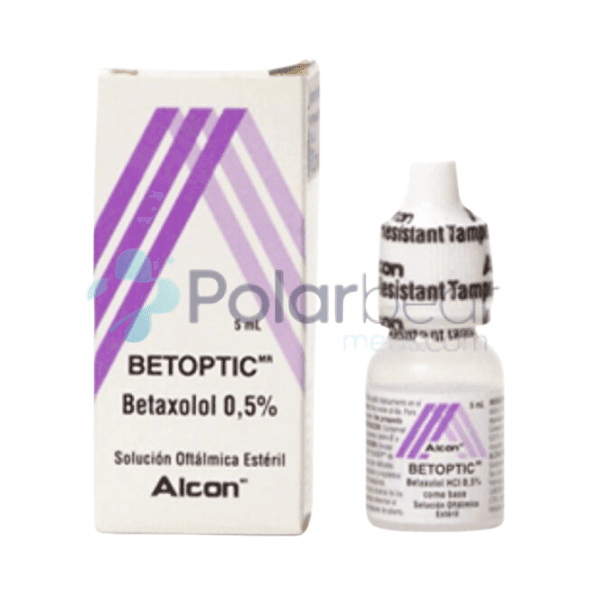

Betoptic Eye Drops contain betaxolol hydrochloride, a beta-blocker that helps reduce high pressure inside the eye. It is commonly prescribed for people with open-angle glaucoma or ocular hypertension to help lower elevated eye pressure, which is a major risk factor for optic nerve damage
Below is a quick overview of important facts for patients and caregivers:
| Product Name | Betoptic Eye Drops |
|---|---|
| Generic Name | Betaxolol hydrochloride |
| Available Strengths | 0.5% ophthalmic solution (Betoptic) |
| Drug Class | Beta-adrenergic receptor blocker |
| Primary Use | Lowering high intraocular pressure |
| Prescription Required | Yes |
| Storage | Store at room temperature (59°F-77°F / 15°C-25°C). Do not freeze After opening, eye drops should generally be discarded within 4 weeks unless otherwise directed by a pharmacist or stated on the product label. |
← Swipe to see more →

Betoptic Eye Drops are used to lower intraocular pressure, a main risk factor for vision loss. Doctors commonly prescribe it for people with:
By lowering elevated intraocular pressure, this medication helps manage a major risk factor for optic nerve damage and vision loss in glaucoma.

Betoptic Eye Drops contain betaxolol, a cardioselective beta-1 blocker that lowers high pressure inside the eye by reducing the production of aqueous humor (the fluid in the eye). Although betaxolol is beta-1 selective, systemic absorption may still cause pulmonary or cardiac effects.
How it works:
How quickly it works:
Long-term effectiveness:
Clinical studies have shown that Betoptic can reduce elevated intraocular pressure when used as prescribed.

Betoptic Eye Drops and Betoptic S both contain betaxolol hydrochloride, but they differ in formulation and strength.
| Feature | Betoptic Eye Drops | Betoptic S |
|---|---|---|
| Form | Ophthalmic solution | Ophthalmic suspension |
| Strength | 0.50% | 0.25% |
| Dosing | Twice daily | Twice daily |
| Main Use | Lowering high eye pressure | Lowering high eye pressure |
← Swipe to see more →
Betoptic S was developed as a lower-concentration suspension to provide effective pressure reduction while potentially improving tolerability in some patients. Your doctor will determine which formulation is appropriate based on individual response and comfort.
Always follow your healthcare provider’s instructions. General guidelines include:
If using other eye medications, wait at least 10 minutes before applying the next drop.

The dosage of this medicine depends on your doctor’s recommendation and how your eye pressure responds to treatment.
| Recommendation | Details |
|---|---|
| Typical Dose | 1 drop in the affected eye(s) twice daily |
| Frequency | Morning and evening |
| Onset of Control | Eye pressure may take a few weeks to stabilize |
| Combination Use | May be used alone or in combination with other glaucoma medications as prescribed by a healthcare provider. |
← Swipe to see more →
Additional instructions:
There is no specific information available regarding overdose in humans when Betoptic is used as an eye drop. However, excessive absorption into the bloodstream may lead to symptoms similar to those seen with systemic beta-blockers. Symptoms of overdose may include:
If excess medication is applied, wipe away the excess solution, stop use, and seek immediate medical support or contact a poison control center for guidance.

Like all prescribed medicines, Betoptic may cause side effects in some people. While many users tolerate it well, certain reactions may occur. Commonly reported Betoptic Eye Drops side effects are listed below:
Additional side effects have been reported with ophthalmic beta-blockers and may occur with Betoptic, although their frequency is unknown. These include fatigue, dizziness, mood changes, skin reactions, and muscle weakness. If any side effects bother you, last longer than expected, or worsen, contact your healthcare provider.

Betoptic Eye Drops may be absorbed into the bloodstream in small amounts. As a result, some side effects observed with oral beta-blockers may also occur, including effects on the heart and lungs.
Various precautions should be taken when taking this medication. Tell your doctor if you have:
Also, inform your doctor if you are planning surgery, as Betoptic may affect how some anesthesia medicines work.
This medication may rarely lead to serious medical problems, especially due to its absorption into the bloodstream in small amounts, including:
Treatment should be stopped immediately if signs of heart failure or severe breathing difficulty develop. If you notice any of these conditions, seek medical help immediately.
Pregnancy:
Animal studies have shown adverse effects at high doses. There are no adequate and well-controlled studies of Betoptic Eye Drops in pregnant women. Betoptic should be used during pregnancy only if the potential benefit justifies the potential risk to the fetus.
Breastfeeding:
Beta-blockers administered orally are known to be excreted in human milk and may cause adverse effects in nursing infants. Although it is not known whether betaxolol from ophthalmic administration is excreted in human milk, caution is advised. A decision should be made whether to discontinue nursing or discontinue Betoptic Eye Drops, taking into account the importance of the medication to the mother.
Always consult your doctor before using this medicine while pregnant or planning pregnancy, or breastfeeding.

Certain medications may affect how Betoptic works or increase the risk of side effects. Always inform your doctor about all prescription drugs, over-the-counter medicines, and supplements you are taking. Use caution if taking Betoptic with:
Even if some interactions are mild, monitoring may still be required.
Depending on eye pressure levels, treatment response, and overall health, doctors may prescribe alternative glaucoma medications instead of Betoptic.
| Brand Name | Prostaglandin analog | Drug Class |
|---|---|---|
| Timoptic | Timolol | Beta-blocker |
| Cosopt | Dorzolamide + Timolol | Carbonic anhydrase inhibitor + beta-blocker |
| Alphagan P | Brimonidine | Alpha agonist |
| Lumigan | Bimatoprost | Prostaglandin analog |
| Travatan Z | Travoprost | Prostaglandin analog |
← Swipe to see more →

Prescription eye medications for glaucoma and high eye pressure can often be costly at local U.S. pharmacies. Ordering Betoptic Eye Drops online from Polar Bear Meds helps reduce overall costs while maintaining safety, quality, and reliability.
All Betoptic Eye Drops orders are processed through licensed Canadian pharmacies that follow strict quality and safety standards. A valid prescription is required for every purchase to ensure proper medical use and patient protection.

This content is for informational purposes only and does not replace expert medical guidance, diagnosis, or treatment. Betoptic Eye Drops is a prescription medication used to manage high eye pressure associated with glaucoma and ocular hypertension. Always consult an authorized healthcare professional before starting, stopping, or changing the dosage. Individual results, side effects, and dosing needs may vary.


Dr. Jackson Miller is a board-certified medicine physician & hospitalist. He is a healthcare professional with a strong background in patient care. With years of experience and a patient-first approach, he believes the foundation of good health is a patient who feels informed and empowered. He contributes to medical content review, drawing on his background in clinical practice and patient education. He focuses on presenting health information in a clear, accurate, and accessible way to help readers make informed decisions. His work emphasizes clarity, evidence-based guidance, and understandable explanations of medical topics.
Learn more about Betoptic Eye Drops and related topics



We offer competitive pricing on all our medications. We'll match if you find a lower price on an identical product at a verified Canadian online pharmacy!
Need help? Call our friendly support team at 1-888-779-2193 or fill out the Contact Form