Logo
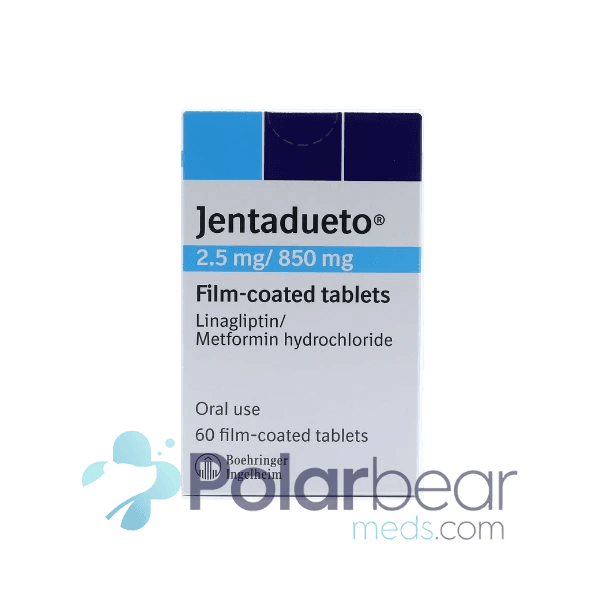
Trajenta - Image 1
USA Flag
Average USA Price$1600.0Save $1255.2

Trajenta

No packages found
price-match-guarantee

Price Match Guarantee

We offer competitive pricing on all our medications. Find a lower price? We'll match it from any verified Canadian online pharmacy! Know More

How to Order

Ordering your medication online is simple and convenient.

STEP 01

Select the prescribed dosage and quantity, then proceed to checkout.

STEP 02

Sign in or create a new account.

STEP 03

Upload your prescription.

STEP 04

Complete your purchase by processing the payment.

Shipping takes approximately 3-5 business days.

Our Pharmacy Reviews

Read what our customers have to say about their shopping experience.

Product Details

Description

Trajenta (linagliptin) is an oral medication used to manage type 2 diabetes mellitus. It belongs to the dipeptidyl peptidase-4 (DPP-4) inhibitor class, which works by increasing active incretin hormones to improve insulin secretion & reduce glucose production. The standard dosage is 5 mg once daily, with no need for kidney or liver impairment adjustments. Common side effects include nasopharyngitis, sore throat, and headache, while serious risks include pancreatitis and heart failure. Trajenta is not suitable for type 1 diabetes or those with a history of hypersensitivity to linagliptin. It can interact with medications like insulin, sulfonylureas, and corticosteroids, potentially affecting blood sugar levels. Always consult a doctor before use, especially if pregnant, breastfeeding, or managing other health conditions.

Trajenta (linagliptin) is an oral medication designed to treat type 2 diabetes mellitus. It is a dipeptidyl peptidase-4 (DPP-4) inhibitor that works by blocking the DPP-4 enzyme, which breaks down incretin hormones. This action enhances insulin release after meals and reduces excessive glucose production by the liver, helping to regulate blood sugar levels. The recommended dosage is 5 mg (milligrams) once daily. Unlike some other diabetes medications, Trajenta does not require dosage adjustments for patients with kidney or liver impairment, making it a convenient option for many.

Common side effects of Trajenta include mild symptoms such as nasopharyngitis (stuffy or runny nose), sore throat, headache, and muscle aches. However, serious side effects, though rare, can occur, including pancreatitis, severe joint pain, and heart failure. The medicine carries a boxed warning for the risk of acute pancreatitis and heart failure, particularly in patients with pre-existing risk factors. Trajenta is contraindicated for individuals with type 1 diabetes or those who have had hypersensitivity reactions to linagliptin.

Trajenta can interact with various medications, including insulin, sulfonylureas, and corticosteroids, potentially leading to hypoglycemia or reduced efficacy. It is also important to exercise caution when using Trajenta with drugs like metformin or statins, as these combinations may increase the risk of side effects. Patients with a history of pancreatitis, gallstones, or high triglyceride levels should discuss these risks with their doctor before starting treatment. While Trajenta is generally well-tolerated, it is not recommended at all for breastfeeding or pregnant women due to limited safety data.

Uses and Benefits

Trajenta (linagliptin) is an oral medication for treating type 2 diabetes mellitus.

Dosage

What Are the Forms & Strengths of Trajenta?

Trajenta (linagliptin) is available in tablet form and has the following strength:

  • 5 mg

What Is the Recommended Dosage of Trajenta?

For Type 2 Diabetes

  • The standard recommended dosage of Trajenta (linagliptin) for most adults is 5 mg once daily.
  • If you have kidney or liver problems, Trajenta may still be suitable, as dosage adjustments are not required for these conditions. However, always confirm with your doctor to ensure the dosage is appropriate for your specific health needs.

[Note: Remember, these recommendations may vary from person to person. Discuss it with your doctor, and they'll customize your Trajenta dosage accordingly.]

Usage Guide

When you buy Trajenta online to treat type 2 diabetes mellitus, consider these administration guidelines:

  • Always wash your hands before handling Trajenta tablets.
  • Keep a glass of water nearby to help swallow the tablet. Swallow the tablet whole; do not chew, crush, or break it.
  • Take Trajenta exactly as your doctor directed.
  • Carefully follow the guidelines on the prescription label and review any provided medication guides or instructions.
  • Note that your doctor may adjust your dosage as needed.
  • Trajenta can be taken with or without food.
  • Take this medication alongside diet and exercise.

[Note: Your doctor will decide the right amount for you based on your condition, following guidelines and studies on the drug. They'll adjust it as needed over time.]

How It Works

Trajenta tablet contains linagliptin, an active ingredient that falls under the class of medications known as dipeptidyl peptidase-4 (DPP-4) inhibitors. It works by inhibiting the action of the DPP-4 enzyme, which is the reason for breaking down incretin hormones. Incretins play a crucial role in regulating blood sugar (A1C) levels by stimulating the release of insulin from the pancreas only when needed, such as after meals, and by reducing the liver's production of glucose when it is not required. By blocking DPP-4, Trajenta helps increase the levels of active incretins in the body, thereby improving insulin secretion and lowering blood sugar levels in a glucose-dependent manner. This mechanism makes it an effective treatment for managing type 2 diabetes mellitus when used alongside diet and exercise.

Side Effects

What Are Trajenta Side Effects?

Common Side Effects of Trajenta: While many people tolerate the drug well, others might experience mild to moderate reactions. Understanding the possible side effects can help you stay informed & take necessary precautions while using this medication. The common side effects of this medication include:

  • Nasopharyngitis (stuffy or runny nose): One of the most commonly reported side effects of Trajenta is nasopharyngitis, which involves symptoms like a stuffy or runny nose. This condition can feel similar to the common cold and may cause discomfort, especially if it persists. While it’s generally mild, it can be bothersome for some individuals. Staying hydrated and using saline nasal sprays may help alleviate these symptoms, but if they continue, seeking medical advice is advisable.
  • Sore Throat: This is a very common side effect associated with Trajenta. This can range from a scratchy feeling to more significant discomfort, making swallowing or speaking uncomfortable. Gargling with warm salt water, drinking soothing teas, or using throat lozenges may provide relief. However, if the sore throat becomes severe or is accompanied by other symptoms like fever, it’s important to consult your doctor to rule out other causes.
  • Cough: Some individuals taking Trajenta may develop a continuous cough. This side effect can irritate and interfere with daily activities or sleep. While it’s usually not serious, a lingering cough should not be ignored, especially if it worsens over time. Drinking plenty of fluids & using a humidifier might help ease the cough, but medical advice should be sought if it persists or becomes severe.
  • Diarrhea: Diarrhea is another potential side effect of Trajenta, which can lead to dehydration if not managed properly. This symptom can be uncomfortable and disruptive, but it often resolves on its own as the body adjusts to the medication. Staying hydrated by drinking water or electrolyte solutions is crucial. If diarrhea continues or is accompanied by other symptoms like severe abdominal pain, it’s important to contact your healthcare provider.
  • Constipation: On the other hand, some people may experience constipation while taking Trajenta. This can cause bloating, discomfort, and difficulty passing stools. Intake of fiber-rich food, drinking plenty of water, and staying physically active could help alleviate this issue. If constipation becomes chronic or painful, it’s best to discuss it with your doctor or pharmacist to explore possible solutions or necessary adjustments to your treatment plan.
  • Muscle Aches: Some individuals taking Trajenta report experiencing muscle aches or discomfort. This can feel like a dull, persistent muscle pain, often in the arms, legs, or back. While usually not severe, it can be bothersome. Staying hydrated and engaging in light stretching may help alleviate the discomfort, but consult your healthcare provider if the pain becomes intense or persistent.
  • Headache: Headaches are a relatively common side effect of Trajenta. These can range from headaches to more intense migraines. If headaches occur frequently or are severe, it’s important to discuss this with your doctor, as it may indicate a need to adjust your dosage or explore alternative treatments.
  • Increased Hunger: Some people notice an increase in appetite while on Trajenta. This can be challenging, especially for those trying to manage their weight alongside diabetes. Eating balanced meals and incorporating healthy snacks can help curb excessive hunger, but if this side effect becomes unmanageable, your doctor may suggest adjustments to your treatment plan.
  • Nausea: Nausea is another possible side effect of Trajenta. This queasy feeling can range from mild to severe and may be accompanied by a lack of appetite. Eating smaller and avoiding spicy or greasy foods might help reduce nausea. If it persists, your doctor may need to reassess your medication.
  • Shakiness: Shakiness or tremors can occur, often as a result of low blood sugar levels. This side effect can be unsettling and may interfere with daily activities. Monitoring your blood sugar regularly & eating balanced meals can help manage this symptom, but consult your doctor if it continues.
  • Slurred Speech: This condition may indicate a significant drop in blood sugar levels or other neurological issues. If you notice difficulty speaking clearly, seek medical attention immediately to address the cause.
  • Unusual Tiredness or Weakness: Feeling unusually tired or weak is another possible side effect of Trajenta. This fatigue can make it really difficult to carry out everyday tasks. Ensuring proper rest, staying hydrated, and maintaining a balanced diet may help, but consult your doctor to rule out other potential causes if the weakness continues.

Mild Trajenta Side Effects: When you buy Trajenta online from Canada, consider the following mild side effects:

  • Anxiety: Some individuals taking Trajenta may experience mild anxiety, which can cause feelings of unease or nervousness. This side effect is usually temporary & may subside as the body adjusts to the medication. However, if the anxiety persists or worsens, it’s important to consult a doctor to discuss potential adjustments to the treatment plan.
  • Blurred Vision: Blurred vision is another mild side effect that can occur with Trajenta. This may cause difficulty focusing or seeing clearly, especially when reading or looking at screens. While this symptom is often short-lived, avoiding activities like driving or operating heavy machinery is advisable until vision returns to normal. If the issue continues, seeking medical advice is recommended.
  • Chills: Chills, or sudden feelings of coldness accompanied by shivering, can sometimes be experienced by those on Trajenta. This side effect is generally mild and may occur as the body adapts to the medication. Staying warm and hydrated can help alleviate discomfort, but medical attention should be sought if chills persist or are accompanied by a fever.
  • Cold Sweats: This condition is characterized by sudden sweating without physical exertion or heat and may occur in some individuals using Trajenta. This can be unsettling but is typically mild and temporary. If cold sweats are frequent or severe, it’s important to inform a healthcare professional to rule out other serious causes.
  • Confusion: Mild confusion or difficulty concentrating has been reported by some Trajenta users. This side effect may make focusing on tasks or remembering details challenging. It’s usually short-lived, but consulting a doctor is advisable to ensure proper management if confusion becomes persistent or interferes with daily activities.
  • Cool, Pale Skin: Some people may notice their skin feeling cooler or appearing paler than usual while on Trajenta. This side effect is generally mild and may be linked to changes in circulation or blood sugar levels. If other symptoms like dizziness or weakness accompany cool, pale skin, it’s important to seek medical advice quickly.
  • Depression: In rare cases, Trajenta may contribute to mild feelings of depression or low mood. This side effect can affect emotional well-being and daily functioning. If depressive symptoms persist or worsen, it’s crucial to discuss them with a healthcare provider or doctor to determine the best course of action.
  • Dizziness: This is a common but mild side effect of Trajenta, often occurring when standing up quickly or changing positions. This sensation is usually brief and can be managed slowly and staying hydrated. However, if dizziness becomes frequent or severe, it’s important to consult a doctor, pharmacist, or healthcare professional to ensure it’s not a sign of a more serious issue.
  • Nightmares: Some individuals have reported vivid dreams or nightmares while taking Trajenta. While this side effect is uncommon, it can disrupt sleep and affect overall well-being. If nightmares become frequent or distressing, discussing this with your healthcare provider is advisable.

Serious Side Effects of Trajenta: Like many medications, Trajenta may cause serious side effects in some individuals. Though not common, these side effects require immediate medical attention to prevent complications.

  • Pancreatitis: One of the more serious side effects of Trajenta is pancreatitis, which occurs when the pancreas becomes inflamed. Symptoms may include serious abdominal pain that radiates to your back, nausea, vomiting, and a rapid pulse. Pancreatitis could be life-threatening if not treated quickly on time. If you experience continuous or worsening abdominal pain while on Trajenta, contact your doctor immediately, as this could indicate inflammation of the pancreas.
  • Severe Joint Pain: Some individuals taking Trajenta tablets have reported severe joint pain. This discomfort can be debilitating and may interfere with daily activities. While joint pain is not always a sign of a serious condition, it is important to discuss it with your healthcare giver, especially if the pain is persistent or worsens over time. In rare cases, joint pain may be linked to other serious issues that require medical evaluation.
  • Seizures: Although rare, seizures have been reported as a potential side effect of Trajenta. This is a very serious medical condition that requires immediate attention from a doctor.
  • Heart Failure: Trajenta has been associated with an increased chances of heart failure in some patients. Symptoms of heart failure include breath shortness, rapid weight gain, swelling in the feet or legs, and fatigue. If you notice any of these signs, contact your healthcare provider right away.

[Note: Remember, this list may not cover all possible side effects. Always consult with your healthcare giver for medical advice about side effects.]

Warnings

What Are the Warnings for Trajenta?

When you buy Trajenta online from Canada, consider the following warnings associated with this medication:

  • Pancreatitis: Trajenta has been associated with the risk of severe and potentially life-threatening pancreatitis, which is an inflammation of the pancreas. This condition can develop suddenly and may present with intense, persistent pain in the upper abdomen that can radiate to your back. Other symptoms may include severe nausea, vomiting, and a noticeable loss of appetite. If you experience any of these symptoms, it is critical to stop taking Trajenta immediately and seek urgent medical attention, as pancreatitis can lead to serious complications if left untreated.
  • Hypoglycemia (Low Blood Sugar): When Trajenta is taken with insulin or insulin secretagogues (medications that stimulate insulin production), there is an increased risk of hypoglycemia or low blood sugar. Hypoglycemia can cause symptoms such as extreme hunger, dizziness, irritability, confusion, anxiety, shakiness, sweating, or a rapid heartbeat. Monitoring your blood sugar levels (A1C levels) regularly and being aware of these symptoms is essential. If you experience signs of low blood sugar, consume a fast-acting source of glucose and seek medical advice to adjust your treatment plan if necessary.
  • Allergic Reactions: Allergic reactions to Trajenta, though uncommon, can occur and may range from very mild to severe. The symptoms of an allergic reaction include serious itching, swelling of the lips, face, or tongue, difficulty breathing, and dizziness. In some serious cases, an allergic reaction can lead to anaphylaxis, a life-threatening condition. If you notice any signs or symptoms of an allergic reaction, stop taking Trajenta and seek immediate medical care.

What Are the FDA Boxed Warning for Trajenta?

Trajenta (linagliptin) has a boxed Warning, which is the strongest considerable warning required by the FDA. This warning points out the risk of acute pancreatitis, a very serious condition that can be life-threatening. If pancreatitis is suspected, the medication should be stopped right away. The warning also mentions the potential risk of heart failure, especially in patients with existing risk factors like heart disease or kidney problems. Patients taking Trajenta should be monitored closely for signs of these conditions, and doctors should carefully consider the benefits & risks before prescribing it.


Safety Guide

If you want to buy Trajenta online to treat type 2 diabetes mellitus, you need to consider the following precautionary instructions:

  • Not for Type 1 Diabetes: Trajenta (linagliptin) is not recommended for people with Type 1 diabetes. This diabetes is an autoimmune condition where the body does not produce insulin, and Trajenta, which works by enhancing the body’s natural insulin production, is not effective for this type of diabetes. People with Type 1 diabetes strongly need insulin therapy, and using Trajenta in such cases would not provide the necessary blood sugar control.
  • High Triglyceride Levels: Patients with high triglyceride levels should exercise caution when considering Trajenta. Increased triglyceride levels, a type of fat in the blood, could increase the risk of pancreatitis (inflammation of the pancreas). Since Trajenta belongs to a class of drugs that may slightly raise the risk of pancreatitis, patients with high triglyceride levels should discuss this risk with their doctor before starting the medication. Regular monitoring of triglyceride levels and pancreatic health may be necessary.
  • History of Gallstones: Patients with a history of gallstones should be cautious when taking Trajenta. Gallstones can lead to blockages in the bile ducts, which may increase the risk of pancreatitis. Since Trajenta has been associated with a small risk of pancreatitis, individuals with gallstones or a history of gallbladder issues should inform their healthcare provider. Alternative treatments or additional monitoring may be recommended to ensure safety.
  • Heart or Kidney Problems: Trajenta should be used with caution in individuals with heart or kidney problems. While the medicine is generally considered safe for most patients, those with pre-existing heart conditions or impaired kidney function may require special attention. Although Trajenta is unique among its classes because it does not require dosage adjustments for kidney impairment, it is still important for patients with heart or kidney issues to discuss their medical history with their doctor to ensure the medication is appropriate for their condition.
  • Trajenta and Pregnancy: Trajenta's safety during pregnancy is not well-established. There is limited research on the effects of Trajenta in pregnant individuals, and the drug has not been sufficiently studied in this population. If you are pregnant or planning to become a mother, it is crucial to inform your doctor before starting Trajenta. Your doctor will likely avoid prescribing Trajenta during pregnancy and may recommend alternative methods to manage your blood sugar levels. If you become pregnant while taking Trajenta, notify your healthcare giver immediately to discuss the best course of action.

Trajenta and Breastfeeding: It is unknown whether Trajenta is safe to use while breastfeeding. The drug has not been studied in breastfeeding individuals, and its effects on human breast milk and nursing infants are unclear. Animal studies have shown that Trajenta can pass into the milk of lactating rats, but this does not necessarily reflect its behavior in humans. Due to the lack of data, doctors advise against using Trajenta while breastfeeding. Your healthcare giver may suggest alternative treatments to manage your blood sugar levels during this period to ensure the safety of both you and your baby.

Contraindications

Trajenta (linagliptin) is contraindicated in patients who have experienced a hypersensitivity or allergic reaction to linagliptin or any of its components. Hypersensitivity reactions may include symptoms such as

  • urticaria (hives),
  • angioedema (swelling beneath the skin, often around the face and throat), or
  • bronchial hyperreactivity (respiratory issues such as difficulty breathing or wheezing).

If a patient has a history of such reactions to linagliptin, they should not take Trajenta, as it could trigger a similar or potentially more severe response.

Missed Dose

If you forget to take a dose of Trajenta, take it as soon as you remember. However, if it’s already time for your next scheduled Trajenta dose, skip the missed dose and continue with your regular dosing schedule of one dose per day. Do not take a double dose to make up for the missed one. To help avoid missing doses, consider using a medication reminder. You can set an alarm, use a timer, or download a reminder app to stay on track with your Trajenta dosing schedule.

[Note: If you have missed a medication dose and are unsure when to take the next one, immediately consult your doctor or pharmacist.]

Overdose

If you suspect that you have taken more than the prescribed amount of Trajenta (linagliptin), it is important to seek medical attention immediately. Contact your healthcare provider or doctor as soon as possible to discuss the situation. Taking an excessive dose of Trajenta may increase the risk of side effects or complications, and your doctor can guide you on the necessary steps.

[Note: If you consumed more than the recommended dose, get medical help right away or call the Poison Help line at 1-800-222-1222.]


Storage Guide

To properly store Trajenta (linagliptin), adhere to the following guidelines:

  • Store Trajenta at room temperature, ideally between 20°C to 25°C (68°F to 77°F).
  • Keep it in a dry place, away from direct sunlight and moisture.
  • Store it in a location that is inaccessible to children and pets.
  • Do not store Trajenta in the bathroom, as humidity can affect its quality.
  • Do not flush Trajenta down the toilet pot or pour it into a drain or sewer unless specifically instructed. Follow disposal guidelines provided by your healthcare provider or local regulations.

[Note: Discuss with your healthcare professional about the proper disposal of any unused medicine and any questions you may have regarding its storage.]


Interactions

Trajenta can interact with the following medications:

  • Aspirin (Low Strength): Aspirin, even in low doses, can increase the risk of bleeding when taken with Trajenta. This is particularly concerning for individuals who may already be at risk for bleeding complications, such as those with gastrointestinal issues or those taking other blood-thinning medications. It is important to monitor for signs of bleeding, such as unusual bruising or prolonged bleeding from cuts.
  • Allopurinol: Allopurinol, which is used to treat gout, may increase the risk of side effects when taken with Trajenta. This interaction could possibly lead to an increased likelihood of adverse reactions, such as skin rashes or gastrointestinal disturbances. Patients should be monitored closely for any new or worsening symptoms.
  • Amlodipine: Amlodipine, a calcium channel blocker used to treat high blood pressure, can affect blood pressure control when taken with Trajenta. This interaction may lead to either an increase or decrease in blood pressure, requiring adjustments in medication dosages to maintain optimal blood pressure levels.
  • Atorvastatin: Atorvastatin, a statin used to lower cholesterol, may increase the chances of muscle pain or weakness when taken with Trajenta. This interaction could potentially lead to a condition called rhabdomyolysis, which is a serious condition where muscle tissue breaks down & releases harmful substances into the bloodstream.
  • Carvedilol: Carvedilol, a beta-blocker used to treat high blood pressure and heart failure, can affect heart rate and blood pressure when taken with Trajenta. This interaction may lead to bradycardia (slow heart rate) or hypotension (low blood pressure), requiring careful monitoring and possible dose adjustments.
  • Furosemide: Furosemide, a loop diuretic used to treat fluid retention, may increase the risk of low blood potassium levels (hypokalemia) when taken with Trajenta. This interaction could lead to symptoms such as muscle weakness, cramps, and irregular heartbeats, necessitating regular monitoring of potassium levels.
  • Glimepiride: Glimepiride, a sulfonylurea used to treat diabetes, can increase the risk or chances of low blood sugar (hypoglycemia) when taken with Trajenta. This interaction requires careful monitoring of blood glucose levels and may necessitate adjustments in the dosage of either medication to prevent hypoglycemic episodes.
  • Hydrochlorothiazide: Hydrochlorothiazide, a thiazide diuretic used to treat high blood pressure, may increase the risk of low blood potassium levels when taken with Trajenta. This interaction could lead to symptoms such as muscle weakness, cramps, and irregular heartbeats, necessitating regular monitoring of potassium levels.
  • Jardiance (Empagliflozin): Jardiance, an SGLT2 inhibitor used to treat diabetes, can increase the risk of dehydration and low blood pressure when taken with Trajenta. This interaction may lead to dizziness, fainting, and kidney problems, requiring careful fluid intake and blood pressure monitoring.
  • Levothyroxine: Levothyroxine, which is used to treat hypothyroidism, can affect thyroid hormone levels when taken with Trajenta. This interaction may need adjustments in the dosage of levothyroxine to maintain optimal thyroid function and avoid symptoms of hypo- or hyperthyroidism.
  • Lisinopril & Losartan: Lisinopril (an ACE inhibitor) and Losartan (an ARB) are both used to treat high blood pressure, but they can affect blood pressure control when taken with Trajenta. This interaction may lead to either an increase or decrease in blood pressure, requiring adjustments in medication dosages to maintain optimal blood pressure levels.
  • Metformin: Metformin, a biguanide used to treat diabetes, can increase the risk or chances of low blood sugar when taken with Trajenta. This interaction requires careful monitoring of blood glucose levels and may necessitate adjustments in the dosage of either medication to prevent hypoglycemic episodes.
  • Metoprolol: Metoprolol, a beta-blocker used to treat high blood pressure and heart conditions, can affect heart rate and blood pressure when taken with Trajenta. This interaction may lead to bradycardia (slow heart rate) or hypotension (low blood pressure), requiring careful monitoring and possible dose adjustments.
  • Omeprazole: Omeprazole, a proton pump inhibitor used to treat acid reflux, could affect the absorption of Trajenta. This interaction may reduce the effectiveness of Trajenta, necessitating careful monitoring of blood glucose levels and potential adjustments in medication dosages.
  • Pantoprazole: Pantoprazole, another proton pump inhibitor used to treat acid reflux, can also affect the absorption of Trajenta. Similar to omeprazole, this interaction may reduce the effectiveness of Trajenta, requiring careful monitoring of blood glucose levels and potential dose adjustments.
  • Prednisone: Prednisone, a corticosteroid used to treat inflammation, can increase blood sugar levels when taken with Trajenta. This interaction may lead to hyperglycemia (high blood sugar), requiring careful monitoring of blood glucose levels and potential adjustments in medication dosages.
  • Spironolactone: Spironolactone, a potassium-sparing diuretic used to treat fluid retention, can affect blood potassium levels when taken with Trajenta. This interaction may lead to either hyperkalemia (high potassium levels) or hypokalemia (low potassium levels), necessitating regular monitoring of potassium levels.
  • Tamsulosin: Tamsulosin, an alpha-blocker used to treat benign prostatic hyperplasia (BPH), can affect blood pressure control when taken with Trajenta. This interaction may lead to hypotension (low blood pressure), requiring careful monitoring and possible dose adjustments.
  • Tramadol: Tramadol, an opioid pain medication, can increase the risk of low blood sugar when taken with Trajenta. This interaction requires careful monitoring of blood glucose levels and may necessitate adjustments in the dosage of either medication to prevent hypoglycemic episodes.
  • Bosentan: Bosentan, which is used to treat pulmonary arterial hypertension, can affect blood pressure control when taken with Trajenta. This interaction may lead to either an increase or decrease in blood pressure, requiring adjustments in medication dosages to maintain optimal blood pressure levels.
  • Dexamethasone: Dexamethasone, a corticosteroid used to treat inflammation, can increase blood sugar levels when taken with Trajenta. This interaction may lead to hyperglycemia (high blood sugar), requiring careful monitoring of blood glucose levels and potential adjustments in medication dosages.
  • Quinidine: Quinidine is used to treat heart arrhythmias, but it can affect heart rate and blood pressure when taken with Trajenta. This interaction may lead to bradycardia (slow heart rate) or hypotension (low blood pressure), requiring careful monitoring and possible dose adjustments.
  • Rifabutin, Rifampin, or Rifapentine: These antibiotics, used to treat tuberculosis, can affect the metabolism of Trajenta. This interaction may alter the effectiveness of Trajenta, necessitating careful monitoring of blood glucose levels and potential adjustments in medication dosages.

What Are the Other Trajenta Interactions?

When you buy Trajenta online, consider the following other interactions:

  • Trajenta and Foods: No specific foods have been reported to interact directly with Trajenta (linagliptin). However, maintaining a balanced diet is important for managing type 2 diabetes, the condition for which Trajenta is prescribed. If you have concerns or questions about how certain foods might affect your blood sugar levels while taking Trajenta, it is recommended to consult your doctor, pharmacist, or a registered dietitian for personalized advice.
  • Disease Interactions: Postmarketing reports have indicated cases of acute pancreatitis in patients taking DPP-4 inhibitors, including Trajenta. While it is not definitively established whether patients with a history of pancreatic disease are at a higher risk, caution is advised when prescribing Trajenta to such individuals. If you have a history of pancreatic issues, your doctor will carefully check the risks and benefits before starting treatment. During treatment with Trajenta, you should be monitored for symptoms of pancreatitis, such as serious abdominal pain, nausea, vomiting, or persistent loss of appetite.
  • St. John’s Wort Interaction: This is an herbal supplement commonly used for mood disorders and may affect Trajenta's metabolism. This could potentially alter the drug’s effectiveness. If you are taking or planning to take St. John’s Wort, inform your doctor to ensure the safe and effective use of Trajenta.
  • Alcohol and Trajenta: There is no specific reported interaction between alcohol and Trajenta. However, alcohol consumption can make it more challenging to manage blood sugar (A1C) levels, which is particularly important for people with type 2 diabetes. Additionally, excessive alcohol use or a history of alcohol use disorder may increase the risk of pancreatitis, a rare but serious side effect associated with Trajenta. If you consume alcohol, it is important to do so in moderation and discuss your alcohol use with your doctor to minimize potential risks.

[Note: This isn't a complete list, and there could be other drugs that interact with Trajenta. Make sure to tell your doctor about any prescription, over-the-counter medicines, and herbal products you’re taking.]

Alternatives

If you're looking for alternatives to Trajenta, there are several other medications that can be used to manage type 2 diabetes. This includes:

[Note: Your doctor will choose what’s best for you. Don’t use any of these alternative medications without consulting your healthcare provider. Taking them by yourself may cause serious side effects.]


Cost & Coupons

Trajenta is a commonly prescribed medication for managing type 2 diabetes, but its high retail price can be a barrier for many. At Polar Bear Meds, we understand this challenge and are committed to ensuring that everyone in the USA, including those without health insurance, has access to affordable medications. To help you save, we provide exclusive cost-saving coupons that can be used at checkout. Simply enter the coupon code “WELCOMEPB10” to receive 10% off your first order. Take advantage of this opportunity to buy Trajenta online with a coupon code and enjoy the convenience of having it delivered directly to your door from Canada!

FAQ

Guarantee

AtPolarBearMeds.com, we assure you the most affordable price to buy Trajenta online from Canada. Rest easy knowing that your order will be dispatched from a reputable Licensed Canada Pharmacy Online, adhering to the highest standards of quality and authenticity. Our discounted medications are shipped directly from Canada to your doorstep, ensuring a swift and secure delivery experience. To conveniently buy Trajenta online to treat type 2 diabetes mellitus at a substantial cost, call us at1-888-779-2193toll-free.

Important Notice

The content provided on the Polar Bear Meds website serves to increase knowledge about healthcare products and medical conditions and is strictly for informational purposes. It should not replace professional medical advice. We urge you to consult with a qualified healthcare professional prior to utilizing any prescription or over-the-counter medication. Our platform grants access to an extensive array of products, sourced internationally, including Canada. We collaborates with a licensed pharmacy partner in Canada and trusted dispensing pharmacies globally. All affiliated fulfillment centers are accredited by the regulatory authorities of their respective countries.

Dr. Jackson Miller

Medically Reviewed by "Dr. Jackson Miller (M.D)"

Dr. Jackson Miller is a board-certified medicine physician & hospitalist. He is a healthcare professional with a strong background in patient care. With years of experience and a patient-first approach, he believes the foundation of good health is a patient who feels informed and empowered. He contributes to medical content review, drawing on his background in clinical practice and patient education. He focuses on presenting health information in a clear, accurate, and accessible way to help readers make informed decisions. His work emphasizes clarity, evidence-based guidance, and understandable explanations of medical topics.

Find Dr. Jackson Miller on:LinkedIn
Price matching guarantee certificate

We offer competitive pricing on all our medications. We'll match if you find a lower price on an identical product at a verified Canadian online pharmacy!

Eligibility Criteria:

  • The competitor's price must be active (no past/future sales).
  • It is only valid for Canadian online pharmacies with a verifiable address.
  • The product must match the strength, pack size, quantity, manufacturer & origin.
  • There are no price matches on used/expired medications.
  • You must submit your requests before placing an order.
  • We cannot adjust prices after purchase.
  • Request via live chat or phone before placing your order.

Need help? Call our friendly support team at 1-888-779-2193 or fill out the Contact Form