Logo
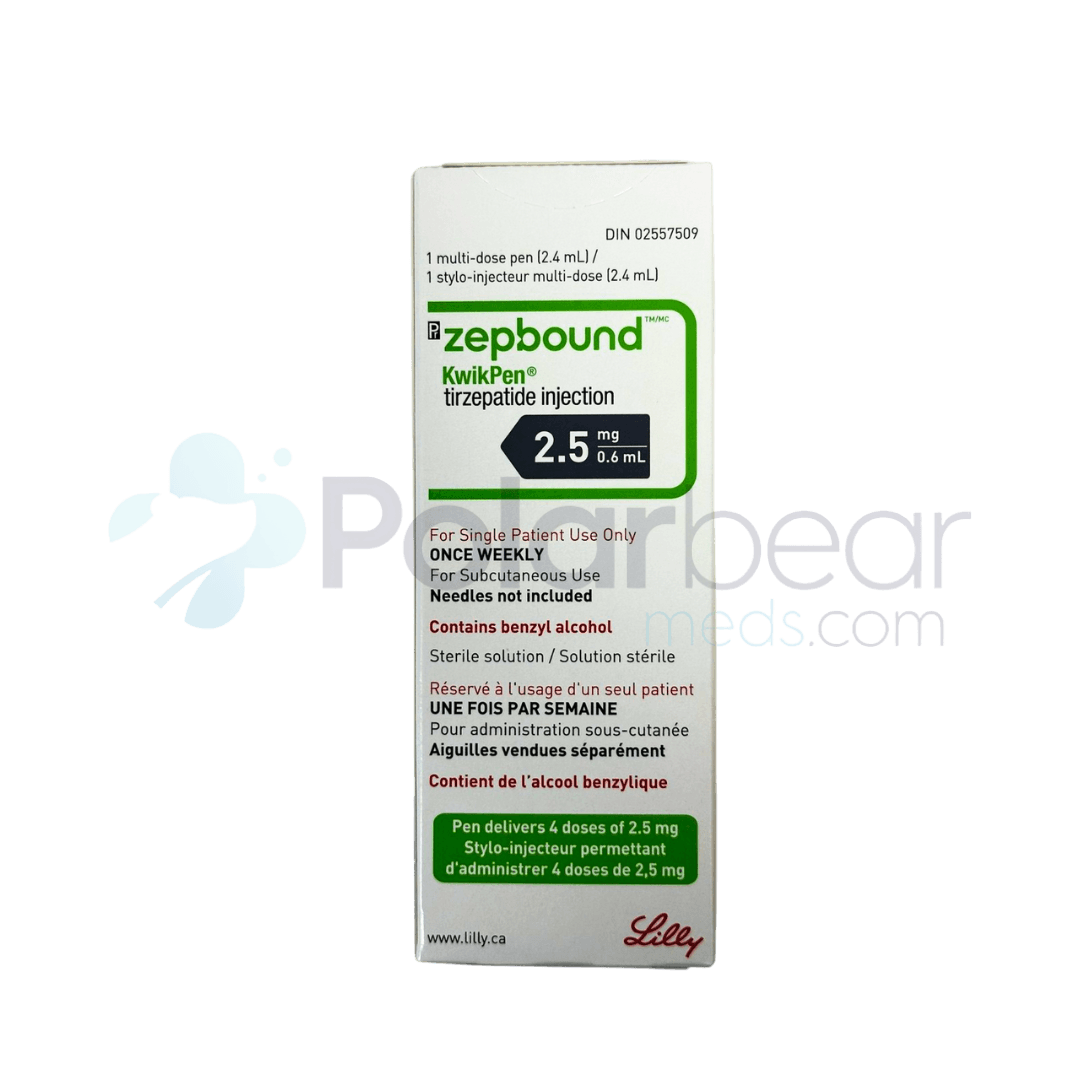
Zepbound 2.5mg Injection
USA Flag
Average USA Price$1580.0Save $1020.0

Zepbound Kwikpen

No packages found
price-match-guarantee

Price Match Guarantee

We offer competitive pricing on all our medications. Find a lower price? We'll match it from any verified Canadian online pharmacy! Know More

How to Order

Ordering your medication online is simple and convenient.

STEP 01

Select the prescribed dosage and quantity, then proceed to checkout.

STEP 02

Sign in or create a new account.

STEP 03

Upload your prescription.

STEP 04

Complete your purchase by processing the payment.

Shipping takes approximately 3-5 business days.

Our Pharmacy Reviews

Read what our customers have to say about their shopping experience.

Product Details

Description

Purchasing Zepbound Online From Canada At Low Cost

Zepbound is a prescription drug for weight loss and long-term weight management in adults. It comes in a one-time-use injectable pen for subcutaneous administration and is available in six strengths. Zepbound works by targeting two specific hormone receptors, GIP and GLP-1, which manage insulin use and fat metabolism. The typical starting dosage is 2.5 mg once per week, with potential increases based on doctor recommendations. Side effects can include injection site reactions, nausea, and more severe effects like pancreatitis. It’s important to discuss your health history with your doctor before starting Zepbound, especially if you have type 2 diabetes, kidney problems, or a history of pancreatitis. The drug has a boxed warning about a possible risk of thyroid cancer. Zepbound should be used alongside diet and exercise changes for effective weight management.

Uses and Benefits

What Are the Benefits of Zepbound for Effective Weight Loss Management?

Zepbound (tirzepatide) is a prescription treatment developed for adults living with obesity or those who are overweight and have weight-related health concerns. It offers a clinically backed approach for individuals committed to long-term weight management.

One of Zepbound’s standout advantages is its potential for substantial weight loss. In clinical studies, patients experienced an average reduction of 18% in body weight, with some achieving up to 26.7% loss when using the highest available dose.

The medication works through a unique dual-action mechanism, targeting both GLP-1 and GIP hormone receptors. These hormones play a critical role in appetite control and insulin response, helping reduce hunger and support more consistent blood sugar levels—key components in managing weight.

Beyond weight loss, Zepbound has been shown to support improvements in overall health. Many patients report better control of conditions like type 2 diabetes and high blood pressure following weight reduction.

Zepbound is administered through a convenient once-weekly injection, offering a simpler alternative to daily medication regimens. To achieve the best outcomes, it should be used alongside a calorie-conscious diet and regular exercise.

By taking a comprehensive approach, Zepbound can help you work toward sustainable weight loss and improved wellness. Always consult a healthcare provider to see if Zepbound aligns with your individual health needs and goals.

Dosage

What Dosage Strengths Does Zepbound Come In?

This medication is provided as a single-use injectable pen for injection under the skin (subcutaneous administration). It comes in six different strengths:

  • 2.5 mg per 0.6 ml
  • 5 mg/0.6 ml
  • 7.5 mg/0.6 ml
  • 10 mg/0.6 ml
  • 12.5 mg/0.6 ml
  • 15 mg/0.6 ml

The availability of various dosages allows patients to receive the precise amount of medication required for their specific health condition.

Usage Guide

How Do You Use and Inject Zepbound?

Zepbound kwikpen is injected under the skin (subcutaneously) of your stomach (abdomen), thigh, or upper arm. Use Zepbound once a week, at any time of the day. Be sure to rotate your injection site each time—do not inject into the same spot every week to avoid skin irritation. Zepbound is a prescription injectable medication for adults with obesity or overweight and at least one weight-related condition. It is given once weekly as a subcutaneous injection, which means it's injected just beneath the skin. The injection can be self-administered or given by a caregiver.

Step-by-Step Guide to Using Zepbound

1. Preparation

  • Wash your hands thoroughly with soap and water.
  • Check the Zepbound pen to ensure:
    • It’s the correct medication and dosage.
    • It hasn’t expired.
    • The liquid is not frozen, cloudy, or discolored.
  • Choose an injection site:
    • Abdomen (at least 2 inches from your belly button)
    • Front of the thigh
    • Back of the upper arm (if administered by someone else)
  • Rotate your injection site each week to prevent skin issues.
  • Clean the site with an alcohol swab and let it dry fully.

2. Administer the Injection

  • Remove the gray base cap—avoid touching the needle.
  • Place the clear base of the pen flat against your chosen injection site.
  • Twist the pen's top to unlock it.
  • Press and hold the purple button for up to 10 seconds.
    • You'll hear a click at the start and another when the injection is complete.
    • The injection is done when you see the gray plunger in the pen’s window.

3. After the Injection

  • Remove the pen and place it in a sharps disposal container—never throw it in the trash.
  • If you notice slight bleeding, press a cotton ball or gauze to the site.

Helpful Tips

  • Use Zepbound once a week, on the same day if possible.
  • Do not reuse or share your injection pen.
  • Store Zepbound in the refrigerator in its original carton and keep it away from light.
    • It can be kept at room temperature up to 86°F (30°C) for up to 21 days, but don’t return it to the fridge once it’s been out.
    • Never freeze the medication.
  • If you miss a dose, take it within 4 days (96 hours). If more time has passed, skip the dose and return to your normal schedule. Do not take two doses within 3 days (72 hours).

[Note: Discuss with your healthcare professional about the proper disposal of any unused medicine and any questions you may have regarding its storage.]

How It Works

Zepbound works by targeting two specific hormone receptors in our body: GIP and GLP-1. These receptors manage our body’s use of insulin and how it processes both sugar and fats. Basically, GIP and GLP-1 are hormones produced in the intestine, and they become active when we eat.

Tirzepatide mimics the natural effects of GIP while also interacting with the GLP-1 receptor. This dual action helps improve insulin secretion, which is essential for controlling blood sugar levels and aids in regulating fat metabolism. Additionally, these hormones help in slowing down the process of food leaving the stomach, which means people feel full for a longer time. This can be especially beneficial for those dealing with chronic obesity, as it supports weight loss by reducing the urge to eat more frequently.

Side Effects

What Are the Side Effects of Zepbound?

Zepbound may cause a range of side effects, with the most common including nausea, diarrhea, vomiting, constipation, abdominal pain, indigestion, tiredness, hair loss, heartburn, burping, allergic reactions, and injection site reactions. While many of these are mild and temporary, others may require medical attention.

Common Side Effects

  • Fatigue: Many patients report feeling unusually tired or weak while taking Zepbound.
  • Diarrhea or Constipation: Gastrointestinal disturbances like diarrhea or constipation are common. This may vary from mild to more severe cases, depending on the individual's response to the medication.
  • Abdominal Pain: Some users experience discomfort or pain in the abdominal area. This can sometimes be severe and may require medical attention if it persists.
  • Indigestion or Gastroesophageal Reflux Disease (GERD): Indigestion and symptoms of GERD, such as heartburn & acid reflux, can occur. This can cause discomfort & a burning sensation in the chest.
  • Burping: Increased burping or belching is another side effect, often related to gastrointestinal disturbances.
  • Low Blood Pressure: Zepbound can cause hypotension (low blood pressure), which may result in dizziness or lightheadedness, especially when standing up quickly.
  • Mild Allergic Reaction: Some patients might experience mild allergic reactions, including symptoms like itching, rash, or mild swelling.
  • Hair Loss: Temporary hair loss or thinning is another side effect that some patients might experience.
  • Mildly Increased Heart Rate: An increase in heart rate, though usually mild, can occur in some individuals.
  • Injection Site Reactions: Since Zepbound is often administered via injection, reactions such as bruising, pain, or itching at the injection site are common.
  • Vomiting or Nausea: Gastrointestinal discomfort leading to nausea or vomiting can occur, which may affect your appetite and overall well-being.

Serious Side Effects

  • Changes in Vision in Patients with Type 2 Diabetes: Some patients with type 2 diabetes might experience alterations in their vision when taking Zepbound. These changes could lead to blurred vision or difficulty focusing. If you notice any significant changes in your eyesight, it’s crucial to inform your doctor immediately, as this could indicate more severe issues related to your diabetes or the medication.
  • Gallbladder Problems (such as Gallstones): Zepbound can cause complications with the gallbladder, including the formation of gallstones. Symptoms of gallbladder problems include severe pain in the upper center or right of your abdomen, pain between your shoulder blades, nausea, & vomiting. If you experience these symptoms or signs, seek medical attention promptly.
  • Inflammation of the Pancreas (Pancreatitis): This is a serious condition where the pancreas becomes inflamed. Signs of pancreatitis include serious abdominal pain that may radiate to your back, nausea, vomiting, and fever. This condition requires quick medical attention, as it could lead to serious problems if left untreated.
  • Low Blood Sugar (Hypoglycemia): Hypoglycemia occurs when your blood sugar levels drop too low. Symptoms include shaking, sweating, rapid heartbeat, dizziness, hunger, irritability, and confusion. Severe hypoglycemia can cause fainting or seizures. If you suspect you are experiencing hypoglycemia, consume a fast-acting carbohydrate (like glucose tablets or juice) and seek medical advice.
  • Kidney Problems (Kidney Failure): Zepbound can affect kidney function, potentially leading to kidney failure. Signs of kidney problems include reduced urine output, swelling in the legs & ankles, fatigue, and shortness of breath. Regular monitoring of your kidney's function is crucial while on this medication. Contact your healthcare provider if you notice any of these symptoms.
  • Depression or Thoughts of Suicide: Some individuals taking Zepbound may experience mood changes, including depression or suicidal thoughts. It’s essential to monitor your mental health and report any significant mood swings, feelings of hopelessness, or thoughts of self-harm to your doctor immediately. Mental health support and medication adjustments may be necessary.
  • Severe Stomach Problems (including Vomiting, Nausea, or Severe Diarrhea): Gastrointestinal issues like nausea, vomiting, and severe diarrhea can occur with Zepbound. These symptoms can lead to serious dehydration & electrolyte imbalances if they persist. If you experience severe or persistent stomach problems, consult your healthcare provider or doctor for appropriate management strategies.

Some individuals might experience an allergic reaction to the medication Zepbound. Mild allergic reactions may include:

  • Skin Rash: Red or irritated patches on the skin.
  • Itchiness: Persistent itching sensation.
  • Flushing: Temporary warmth, redness, or deepening of skin color, often on the face.
  • Swelling Under the Skin: This can occur in areas such as the eyelids, lips, hands, or feet, often referred to as angioedema.
  • Difficulty Breathing: Swelling that affects the airways can lead to breathing difficulties.
  • Swelling of the Tongue, Mouth, or Throat: This can obstruct the airway and is a medical emergency.

If you suspect you’re having an allergic reaction to Zepbound, it’s important to seek medical attention immediately.

[Note: Remember, this list may not cover all possible side effects. Always consult with your healthcare giver for medical advice about side effects.]

Warnings

What Are the Zepbound Warnings?

When you buy Zepbound from Canada, it's important to consider these warnings to ensure effective use of the medication:

  • Inform your doctor if you have a lump/swelling in your neck, trouble swallowing, shortness of breath, or hoarseness in your voice, as this can be a symptom of cancer in the thyroid gland.
  • You should not use this medication if you or any member of your family has a history of a type of thyroid cancer known as medullary thyroid carcinoma (MTC) or MEN 2- Multiple Endocrine Neoplasia syndrome type 2, an endocrine disorder, or if you have ever experienced an allergic reaction to Zepbound or any of its excipients.
  • You should not use Zepbound with other tirzepatide-containing medications or any GLP-1 receptor agonist.
  • The safety & efficacy of using this product with other weight management medications have not been established. Hence, you should consult a licensed healthcare practitioner before using other weight management products while receiving treatment with this medication.

What Is the Boxed Warning for Zepbound?

Zepbound has a special warning called a boxed warning, which is the highest level of warning. This warning is about a possible risk of thyroid cancer associated with the medication.

The main ingredient in Zepbound, called tirzepatide, has been shown to cause thyroid tumors in animal studies. It’s not clear if it can cause thyroid cancer in humans, but because of the potential risk, your doctor might not prescribe Zepbound if:

  • You or a family member has had a type of thyroid cancer called medullary thyroid cancer.
  • You have a condition called multiple endocrine neoplasia type 2, which increases the risk of thyroid cancer.

If you’re taking Zepbound, watch for symptoms of thyroid cancer and tell your doctor if you notice:

  • A persistent, hoarse voice
  • A lump in your neck
  • Difficulty swallowing
  • Difficulty breathing

If you have any concerns about this warning or the medication, it’s crucial to discuss them with your doctor.

Contraindications

What Are the Zepbound Contraindications?

Zepbound should not be used by individuals who have any of the following conditions:

  • Medullary Thyroid Carcinoma (MTC) Family History: Individuals with a history of medullary thyroid carcinoma (MTC) should avoid using Zepbound.
  • Medullary Thyroid Carcinoma History: Those who have a personal history of medullary thyroid carcinoma are contraindicated from using this medication.
  • Multiple Endocrine Neoplasia Syndrome Type 2 (MEN 2): Patients diagnosed with multiple endocrine neoplasia syndrome type 2 should not take Zepbound.
  • History of Suicidality: Individuals with a history of suicidal behavior or attempts should avoid this medication.
  • Suicidal Ideation: Those experiencing current or past suicidal thoughts should not use Zepbound.
  • Hypersensitivity: Patients who have shown hypersensitivity or allergic reactions to Zepbound or any of its ingredients should not take this drug.
Missed Dose

What Should I Do If I Miss a Dose of Zepbound?

If you miss a dose of Zepbound, the appropriate action depends on how much time has passed since your scheduled dose.

  • If it’s been a short time, take the missed dose as soon as you remember.
  • If more time has passed, skip the missed dose and resume your next scheduled dose as usual.

Avoid taking two doses too close together, as this can increase the chance of side effects.

If you’re ever unsure about what to do, always consult your healthcare provider or pharmacist for personalized advice based on your situation.

Overdose

What Happens If You Take Too Much Zepbound?

If you have taken too much Zepbound, then you should seek medical attention immediately. Here are the guidelines you need to follow:

  • It is essential not to use more Zepbound than your doctor has prescribed. Taking more than the recommended dose of some medications can lead to harmful effects or an overdose.
  • If you accidentally take more Zepbound than advised, contact your doctor immediately.
  • In case of severe symptoms, call 911 or your local emergency number, or go to the nearest emergency room without delay.

[Note: If you consumed more than the recommended dose, get medical help right away or call the Poison Help line at 1-800-222-1222.]

Storage Guide

How to Store Zepbound?

Zepbound pens, like many other medications, require specific storage conditions to maintain their efficacy. Here are the storage guidelines you need to follow:

  • Keep unopened Zepbound pens in the fridge between 36°F and 46°F (2°C and 8°C).
  • Store the pens in their original box to protect them from light.
  • Sometimes, you might need to store Zepbound at room temperature, like when traveling. In such cases, you can keep the Zepbound pen at temperatures up to 86°F (30°C) for up to 21 days.
  • Don’t put the pen back in the fridge after storing it at room temperature. If it’s been at room temperature for 21 days and you haven’t used it, you should throw it away.
  • Don’t freeze the pens. If a pen gets frozen, you should throw it away and get a new one.
  • Always check the pen for any damage before using it. Don’t use a damaged pen.
  • Make sure the pens are clearly labeled to avoid mixing them up with other medicines.
  • Keep the pens out of reach of children to prevent any accidents.
  • By following these storage tips, you can ensure that Zepbound stays effective and safe for use.

[Note: Discuss with your healthcare professional about the proper disposal of any unused medicine and any questions you may have regarding its storage.]

Interactions

What Are the Zepbound Interactions?

When you take Zepbound, it’s essential to know that it can interact with other medications, certain foods, and supplements. These interactions can change how Zepbound works in your body. Before you start using Zepbound, consult with your doctor and pharmacist. Make sure to tell them about all the medicines you’re currently taking, whether they’re prescribed by a doctor or bought over the counter.

Don’t forget to mention any vitamins, herbs, or supplements you’re using too. Sharing this information can help prevent any unwanted interactions. If you’re unsure how other drugs might interact with Zepbound, don’t hesitate to ask your doctor or pharmacist for advice. Zepbound can interact with a variety of medications and some supplements and foods as well.

  • Drug interactions: Zepbound is a medication that slows down your digestion, which means it can change how other medications are absorbed into your body. Here are some medicines that might interact with Zepbound:
    • Birth Control Pills: Medications like ethinyl estradiol/norethindrone (found in Junel and similar products) and ethinyl estradiol/drospirenone (found in Yaz and similar products).
    • Insulins: Medications like insulin lispro (found in Humalog and similar products) and insulin glargine (found in Lantus and similar products).
    • Sulfonylureas: Medications like glipizide (found in Glucotrol XL), glimepiride (found in Amaryl) and Warfarin (found in Jantoven).

What Are the Other Zepbound Interactions?

If you take this medication while pregnant, you may experience severe side effects. This interaction can alter how Zepbound functions, potentially affecting its efficacy. Here are the details:

  • Alcohol: There are no known interactions between alcohol and Zepbound, so it’s generally considered safe to drink alcohol while on this treatment. However, it’s always a good idea to consult your doctor or pharmacist about how much alcohol is safe for you to consume while taking Zepbound.
  • Pregnancy and Breastfeeding: Zepbound is not recommended for use during pregnancy, as losing weight while pregnant could harm the unborn baby. If you become pregnant while taking Zepbound, you should stop using it immediately and inform your doctor. You may also be asked to join a pregnancy registry that collects information about the drug’s safety during pregnancy. It is currently unclear if Zepbound is safe to use while breastfeeding. If you are pregnant, breastfeeding, or planning to become pregnant or breastfeeding, discuss with your doctor before starting Zepbound treatment.
  • Birth control: If you can become pregnant, your doctor might suggest using birth control while you’re on Zepbound. However, Zepbound can reduce the effectiveness of birth control pills. As a result, your doctor may advise you to use a different or additional form of birth control for the first four weeks of Zepbound treatment and for four weeks after any increase in your dosage.

[Note: This isn’t a complete list, and there could be other drugs that interact with Zepbound. Make sure to tell your doctor about any prescription, over-the-counter medicines, and herbal products you’re taking.]

Alternatives

What Are the Zepbound Alternatives?

There are other medications available that can aid in weight loss. If you're considering an alternative to Zepbound, it's best to consult with your doctor. They can provide information on other drugs that might be suitable for you.
Actos (pioglitazone)
Ozempic (semaglutide)
Jardiance (empagliflozin)
Byette (exenatide)
Steglatro (ertugliflozin)
Victoza (liraglutide)
Tradjenta (linagliptin)
Nesina (alogliptin)
Avandia (rosiglitazone)
Mounjaro (tirzepatide)
Saxenda (liraglutide)
Invokana (canagliflozin)
Farxiga (dapagliflozin)
Rybelsus (semaglutide oral)
Glucophage (metformin)
Adlyxin (lixisenatide)
Januvia (sitagliptin)
Trulicity (dulaglutide)
Prescose (acarbose)
Bydureon Bcise (exenatide)
Wegovy (semaglutide)
Onglyza (saxagliptin)


[Note: Your doctor will choose what’s best for you. Don’t use any of these alternative medications without consulting your healthcare provider. Taking them by yourself may cause serious side effects.]

Cost & Coupons

Zepbound Discounts and Savings Options from Polar Bear Meds

Lowering the cost of Zepbound (tirzepatide) can make managing your health more affordable. At Polar Bear Meds we offers several ways to help reduce the financial burden of this prescription weight loss medication.

Here are a few savings options to consider:

  • Zepbound Savings Card: This card may allow you to pay as little as $25 per month, which can be especially helpful if you don’t have insurance coverage.
  • Competitive Pricing: Zepbound through Polar Bear Meds is often available at prices up to 80% lower than those at many U.S. pharmacies, making it a more cost-effective option.

Before starting Zepbound, speak with your healthcare provider to confirm that it’s the right treatment for you. It's also important to review your insurance plan and coverage to take full advantage of any available benefits.

By exploring these discount programs and keeping an eye on promotional offers from Polar Bear Meds, you can make Zepbound more affordable and accessible as part of your weight management plan.

FAQ

Guarantee

AtPolarBearMeds.com, we assure you the most affordable price to buy Zepbound at low cost from Canada. Rest easy knowing that your order will be dispatched from a reputable Licensed Canada Pharmacy Online, adhering to the highest standards of quality and authenticity. Our discounted medications are shipped directly from Canada to your doorstep, ensuring a swift and secure delivery experience. To conveniently access Zepbound prescription online at a substantial cost, call us at1-888-779-2193toll-free.

Important Notice

The content provided on the Polar Bear Meds website serves to increase knowledge about healthcare products and medical conditions and is strictly for informational purposes. It should not replace professional medical advice. We urge you to consult with a qualified healthcare professional prior to utilizing any prescription or over-the-counter medication. Our platform grants access to an extensive array of products, sourced internationally, including Canada. We collaborates with a licensed pharmacy partner in Canada and trusted dispensing pharmacies globally. All affiliated fulfillment centers are accredited by the regulatory authorities of their respective countries.

Dr. Jackson Miller

Medically Reviewed by "Dr. Jackson Miller (M.D)"

Dr. Jackson Miller is a board-certified medicine physician & hospitalist. He is a healthcare professional with a strong background in patient care. With years of experience and a patient-first approach, he believes the foundation of good health is a patient who feels informed and empowered. He contributes to medical content review, drawing on his background in clinical practice and patient education. He focuses on presenting health information in a clear, accurate, and accessible way to help readers make informed decisions. His work emphasizes clarity, evidence-based guidance, and understandable explanations of medical topics.

Find Dr. Jackson Miller on:LinkedIn

Similar Medications

Price matching guarantee certificate

We offer competitive pricing on all our medications. We'll match if you find a lower price on an identical product at a verified Canadian online pharmacy!

Eligibility Criteria:

  • The competitor's price must be active (no past/future sales).
  • It is only valid for Canadian online pharmacies with a verifiable address.
  • The product must match the strength, pack size, quantity, manufacturer & origin.
  • There are no price matches on used/expired medications.
  • You must submit your requests before placing an order.
  • We cannot adjust prices after purchase.
  • Request via live chat or phone before placing your order.

Need help? Call our friendly support team at 1-888-779-2193 or fill out the Contact Form