Estradiol vs. Premarin: Which Hormone Therapy Is Better for You?
Choosing the right hormone replacement therapy is a critical health decision. When comparing Estradiol vs. Premarin, the primary difference lies in their molecular structure. Estradiol is a bioidentical hormone that closely matches human estrogen, while Premarin contains a mixture of conjugated estrogens derived from animal sources. Understanding differences in safety, effectiveness, and cost helps determine which option best fits an individual’s medical needs.
Understanding the Difference: Premarin vs. Estradiol
Estradiol and Premarin are FDA-approved estrogen therapies used to treat menopausal symptoms, but they differ in their hormone structure and how the body processes them. These differences can influence tolerability, formulation choice, and clinical use.
What Is Premarin and How Does It Work?
Premarin contains conjugated equine estrogens (CEE) derived from animal sources. It is a combination of multiple estrogen compounds rather than a single hormone. These estrogens also activate estrogen receptors to relieve symptoms, but the mixture requires additional processing in the body, particularly in the liver, due to the presence of non-human estrogen components.
What Is Estradiol and How Does It Work?
Estradiol is a form of estrogen that is chemically identical to the primary estrogen produced by the ovaries (17β-Estradiol). It binds directly to estrogen receptors and is processed through normal metabolic pathways, making its action more predictable and closer to natural hormone function.
Premarin vs. Estradiol: Key Differences Comparison
| Feature | Estradiol | Premarin |
|---|---|---|
| Source | Plant-based, bioidentical | Animal-derived (conjugated estrogens) |
| Hormone Type | Single estrogen (17β-Estradiol) | Multiple estrogen compounds |
| Body Compatibility | Matches human estrogen | Includes non-human estrogen components |
| Available Forms | Tablet, patch, gel, cream | Tablet, vaginal cream, injection |
← Swipe to see more →
Estradiol vs. Premarin Side Effects: What to Expect
Estradiol and Premarin are systemic estrogen therapies with similar safety profiles. The FDA requires all estrogen products to carry boxed (black box) warnings for serious risks, so treatment decisions should be based on individual risk factors and medical history.
Common Side Effects of Estradiol vs. Premarin
Most side effects are linked to increased estrogen levels, not the specific drug:
- Breast tenderness or enlargement
- Headaches or migraines
- Nausea, bloating, stomach discomfort
- Irregular bleeding or spotting
- Fluid retention or mild weight changes
Serious Risks of Estradiol vs. Premarin (FDA Boxed Warnings)
Both therapies share the same major risks, especially with long-term systemic use:
- Cardiovascular risks: Increased risk of blood clots such as Deep Vein Thrombosis (DVT) and Pulmonary Embolism (PE), as well as stroke and heart attack.
- Cancer risk: Higher risk of endometrial cancer if estrogen is used without a progestogen in women with a uterus. There is also a possible increased risk of breast cancer with long-term use.
- Gallbladder disease: Potential for increased risk of gallstones due to changes in cholesterol metabolism.
Does Formulation Affect Side Effects in Estradiol vs. Premarin?
The method of delivery plays a key role in risk:
- Oral Estradiol vs. Premarin pills: Undergo first-pass metabolism in the liver, which may increase clotting risk
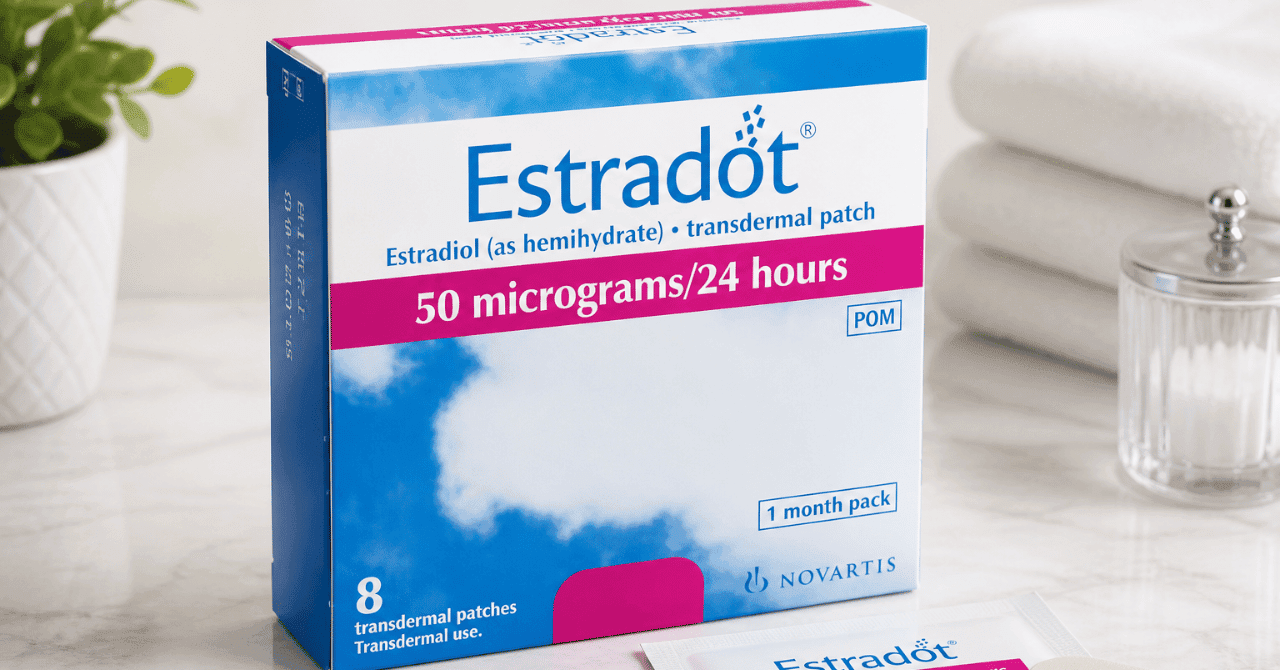
- Transdermal Estradiol (patch/gel): Bypasses the liver and may lower clot-related risks
- Vaginal forms (cream/ring): Used for local symptoms with minimal systemic exposure
Which is Safer: Premarin or Estradiol?
Neither Premarin nor Estradiol is universally safer. Both are FDA-approved and carry similar risks, including blood clots, stroke, and certain cancers. The safer option often depends on how the medication is taken and your personal health history. Estradiol patches or gels may lower clot risk because they bypass the liver, while Premarin is a well-studied, reliable option. The right choice should always be decided with your doctor based on your individual needs.
Cost Comparison: Which is Cheaper, Estradiol or Premarin?
For most patients, Estradiol is much more affordable than Premarin. This is mainly because Estradiol is available as a generic, while Premarin is a brand-name medication without a direct FDA-approved generic equivalent.
Estradiol vs. Premarin: Price Comparison
| Feature | Estradiol (Generic) | Premarin (Brand) |
|---|---|---|
| Generic Available | Yes | No |
| Typical Monthly Cost | $10-$40 | $200 or more |
| Insurance Tier | Lower (Tier 1) | Higher (Tier 2/3) |
← Swipe to see more →
Note: Prices vary by pharmacy, location, dose, and insurance coverage.
Estradiol vs. Premarin Cream: Which Is Better for Vaginal Health?
Estradiol and Premarin vaginal creams are effective for treating vaginal dryness, irritation, and genitourinary syndrome of menopause (GSM). Because they are applied locally, they provide symptom relief with minimal systemic absorption compared to oral estrogen.
Neither is "better" for everyone; however, Estradiol cream (generic or Estrace) is often the first choice for those seeking a bioidentical, cost-effective option. Premarin cream remains a well-established alternative, and the choice typically depends on patient preference, response, and clinical judgment.
Estradiol vs. Premarin: Which Therapy Is Right for You?
Choosing between Estradiol and Premarin depends on your individual health profile, symptom severity, and treatment goals. Estradiol offers a bioidentical match and is often more affordable, while Premarin remains a well-studied option with long-term clinical data. Since both carry similar FDA warnings, the key is to select the right delivery method, such as transdermal forms that may lower the risk of clotting. It is also important to use the lowest effective dose under proper medical supervision.
Frequently Asked Questions
A doctor may prescribe Premarin when broader estrogen support is needed for moderate to severe menopause symptoms. Its mix of conjugated estrogens can help patients who don’t respond well to Estradiol. It is also widely used due to its long clinical history and consistent FDA-approved formulation.
Yes, switching is possible, but only under medical supervision. Premarin and Estradiol are not directly equivalent in dose, so your doctor will carefully convert and adjust the prescription to maintain symptom control and minimize side effects during the transition.
Long-term use of Premarin may increase the risk of serious conditions such as stroke, heart attack, blood clots, breast cancer, dementia, and endometrial cancer. These risks tend to rise with higher doses and longer duration of use, so doctors typically recommend the lowest effective dose for the shortest time needed.
Medical Disclaimer
This content is for informational purposes only and should not be considered medical advice. Information related to Estradiol, Premarin, and hormone replacement therapy (HRT) might vary based on individual health conditions. Always consult a licensed healthcare professional before stopping, starting, or changing any medication or dosage, as treatment should be personalized to your medical history and risk factors.