Victoza for Weight Loss: What You Should Know
Victoza (liraglutide) is a once-daily injectable medicine mainly for type 2 diabetes that also supports appetite control and gradual weight reduction. Many patients consider Victoza for weight loss because it helps control hunger and “food noise,” making it easier to manage eating habits. It should only be used under strict medical supervision to ensure it aligns with your overall health profile.
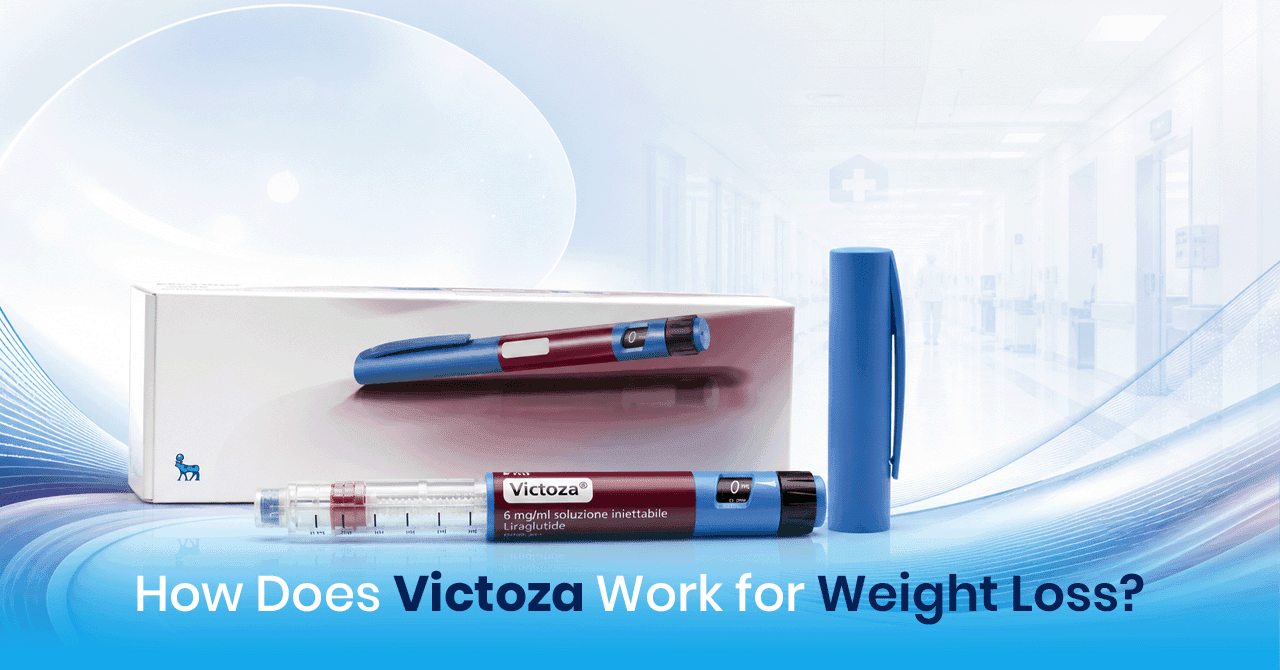
How Does Victoza Work for Weight Loss?
Victoza (liraglutide) works by mimicking GLP-1 (glucagon-like peptide-1), a natural hormone released in the gut that helps regulate appetite, digestion, and blood sugar levels. Unlike natural GLP-1, which is rapidly broken down in the body, liraglutide is a longer-acting GLP-1 receptor agonist that provides sustained appetite control throughout the day.
It supports weight loss through three key mechanisms:
- Brain appetite regulation: Acts on brain appetite-control centers to reduce hunger signals and cravings, helping to lower emotional and habitual eating.
- Delayed gastric emptying: Slows the movement of food from the stomach to the intestine, increasing satiety and reducing how often hunger returns after meals.
- Glucose and glucagon control: Improves insulin response and reduces inappropriate glucagon release, helping stabilize blood sugar levels and indirectly reducing appetite spikes.
Together, these effects naturally lower daily calorie intake, making weight loss more consistent and easier to maintain when combined with diet and lifestyle changes.
Is Victoza FDA-Approved for Weight Loss?
No, Victoza is not officially FDA-approved for weight loss. It is approved for improving blood sugar control in adults and children aged 10 years and older with type 2 diabetes and for reducing cardiovascular risk in certain patients with heart disease.
Although weight loss is a common secondary effect, using Victoza specifically for weight management is considered off-label. The key difference is between Victoza and Saxenda, which contain the same active ingredient (liraglutide) but are approved for different purposes:
- Active ingredient: Both contain liraglutide
- Dosage: Victoza is used up to 1.8 mg daily for diabetes, while Saxenda is increased up to 3.0 mg daily for weight loss.
- FDA approval: Only Saxenda is approved specifically for chronic weight management.
How Effective Is Victoza for Weight Loss Results?
Victoza provides moderate but clinically meaningful weight loss, mainly as a secondary benefit of improved blood sugar control.
- Average Victoza weight loss results: In NIH-supported clinical trials, patients using the 1.8 mg dose of liraglutide experienced an average weight loss of about 3.6 kg (≈8 lbs) over 52 weeks, compared to standard diabetes treatments.
- Early progress: Most users notice gradual weight reduction in the initial months, typically around 0.5 to 1 pound per week, depending on diet adherence and metabolic response.
- Sustained Results: At standard diabetes doses (1.2-1.8 mg), studies show total weight loss ranging from 8 to 13 pounds over approximately 6 months, with continued but slower progress over time.
Real-World Expectations of Victoza Weight Loss Results
Outcomes vary based on starting BMI, metabolic health, and lifestyle consistency. Some non-diabetic individuals may experience similar or variable early weight loss. Long-term success depends on sustained dietary habits, physical activity, and ongoing medical supervision.
Common Side Effects and Risks of Using Victoza for Weight Loss
Like all GLP-1 receptor agonist medications, Victoza (liraglutide) primarily affects the gastrointestinal system. Most users experience mild side effects during the first few weeks as the body adjusts to the medication.
Most Common Victoza Side Effects
- Nausea & vomiting, especially in the early weeks
- Diarrhea, constipation, bloating, or indigestion
- Headache, dizziness, or mild fatigue
- Injection site reactions, such as redness or itching
Victoza Serious Risks & FDA Boxed Warning
Victoza carries an FDA Boxed Warning regarding a potential risk of thyroid C-cell tumors based on animal studies. This risk has not been confirmed in humans. Patients should report symptoms such as a neck lump, hoarseness, or difficulty swallowing to a healthcare provider immediately.
- Pancreatitis: Severe, persistent abdominal pain that may radiate to the back.
- Gallbladder disease: Increased risk of gallstones.
- Kidney problems: Risk of acute kidney injury due to dehydration from severe nausea or vomiting.
- Hypoglycemia: Low blood sugar, especially when used with insulin or sulfonylureas.
- Severe allergic reactions: Symptoms include swelling of the face, lips, or tongue and require emergency medical care.
Victoza vs. Other Weight Loss Medications (Ozempic, Saxenda, Wegovy)
Here is a clear comparison of the most commonly used GLP-1 medications for weight loss and diabetes management:
| Medication | Active Ingredient | Frequency | FDA Approved for Weight Loss? |
|---|---|---|---|
| Victoza | Liraglutide | Daily | No (Type 2 Diabetes only) |
| Saxenda | Liraglutide | Daily | Yes (Chronic weight management) |
| Ozempic | Semaglutide | Weekly | No (Type 2 Diabetes only) |
| Wegovy | Semaglutide | Weekly | Yes (Chronic weight management) |
← Swipe to see more →
Why doctors may still prescribe Victoza: It is often used when patients already have type 2 diabetes, insulin resistance, or when insurance coverage makes it more accessible than newer weight-loss-specific options.
Key Takeaways on Victoza for Weight Loss
Victoza is a diabetes medication that can also support modest, gradual weight loss. It works by reducing appetite, slowing digestion, and improving blood sugar control through GLP-1 action. It is not FDA-approved for weight management, but clinical evidence shows average, steady weight reduction when combined with diet and lifestyle changes. Results vary by individual, and stronger outcomes are typically seen with higher-dose or newer GLP-1 therapies under medical supervision.
Frequently Asked Questions
The best results with Victoza come from combining it with a calorie-controlled, high-protein diet and regular physical activity (including strength training). Consistent daily dosing, hydration, and good sleep habits also improve outcomes, as the medication works by reducing appetite rather than causing rapid fat loss.
Victoza is not FDA-approved for weight loss in non-diabetics. It may be used off-label only under medical supervision, and suitability depends on individual health conditions, BMI, and risk factors. A safer and FDA-approved weight-loss alternative with the same ingredient is Saxenda, which uses a higher dose.
There is no specific best time of day. Victoza can be taken once daily with or without food. The key factor is taking it at the same time every day to maintain consistent levels and reduce Victoza side effects.
There is no approved dosing for weight loss. When used off-label, Victoza typically follows the diabetes dosing schedule to improve tolerability:
- 0.6 mg daily (starting dose)
- 1.2 mg daily (standard dose)
- Up to 1.8 mg daily (maximum diabetes dose)
Higher weight-loss-specific dosing (3.0 mg) is only approved for Saxenda, not Victoza.
Medical Disclaimer
This content is for informational purposes only and should not be considered medical advice. Information about Victoza (liraglutide) and its use for weight loss may vary based on individual health conditions. Always consult a licensed healthcare professional before stopping, starting, or changing any medication or dosage.