What Foods to Avoid While on Victoza?
Victoza (liraglutide) is a GLP-1 receptor agonist used to manage type 2 diabetes and support weight control. The medication reduces appetite, slows gastric emptying, and improves blood sugar regulation. It also supports insulin secretion after meals, helping maintain stable glucose levels. Understanding foods to avoid while on Victoza can help reduce digestive side effects and improve overall treatment effectiveness.
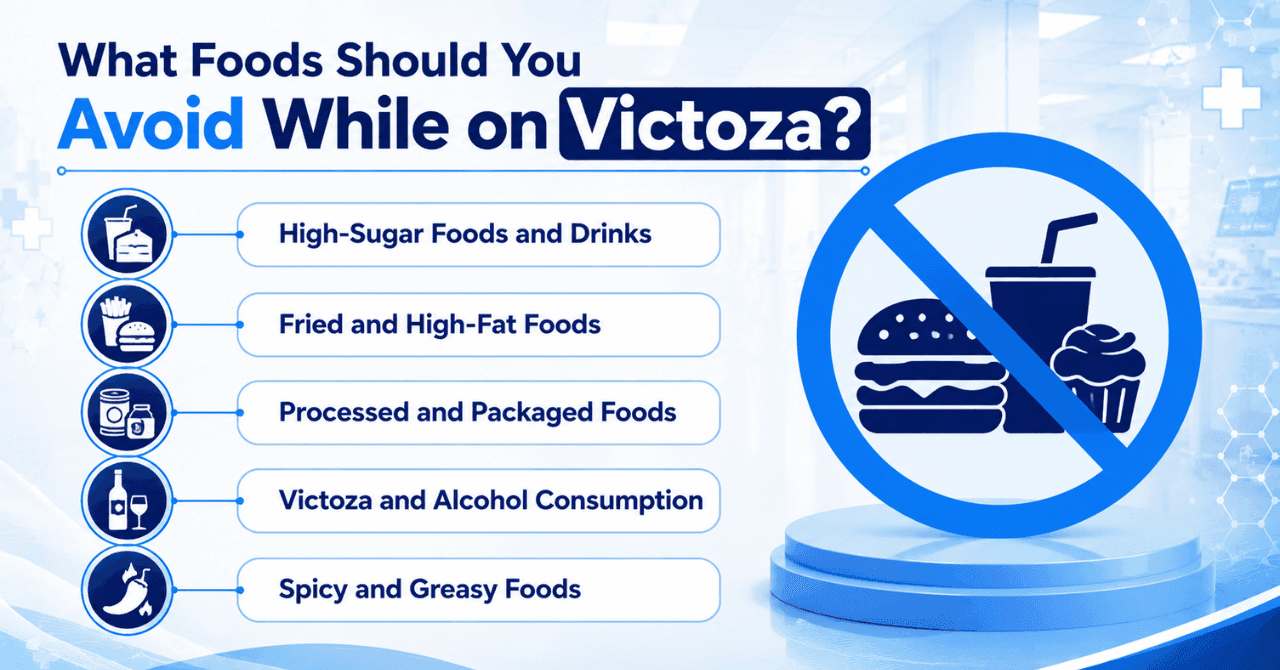
What Foods Should You Avoid While on Victoza?
Certain foods can worsen the side effects of Victoza and make blood sugar harder to control. These foods may also slow down your progress with weight management. It is best to limit or avoid the following:
High-Sugar Foods and Drinks
Avoid foods and drinks that cause rapid blood glucose spikes, such as:
- Soda and sugary beverages
- Candy and chocolates
- Cakes, pastries, and desserts
- Sweetened coffee or energy drinks
These can reduce blood sugar control and counter the benefits of Victoza.
Fried and High-Fat Foods
Limit greasy and heavy foods that are hard to digest, including:
- Fast food meals
- Fried chicken and fries
- Pizza
- Fatty cuts of meat
These foods can worsen nausea and slow digestion.
Processed and Packaged Foods
Avoid ultra-processed options such as:
- Chips and packaged snacks
- Instant noodles
- Frozen ready-to-eat meals
- Processed meats
Many processed snacks also contain refined carbohydrates that can rapidly raise blood sugar levels.
Victoza and Alcohol Consumption
Alcohol may interfere with blood sugar stability and increase side effects like:
- Dehydration
- Nausea
- Risk of low blood sugar
It can also reduce treatment effectiveness when consumed frequently.
Spicy and Greasy Foods
Some people may experience discomfort after eating:
- Spicy foods
- Greasy or oily meals
Some patients may notice bloating, heartburn, or acid reflux after eating these foods.
Why Certain Foods Cause Problems with Victoza?
Victoza slows gastric emptying, meaning food moves more slowly through the stomach. This helps control appetite and blood sugar levels. However, it also makes the digestive system more sensitive to certain foods. Many side effects of Victoza and food interactions are linked to slower digestion and sensitivity to heavy meals.
High-fat, greasy, sugary, and heavily processed foods can stay longer in the stomach and are harder to digest. This often leads to side effects such as nausea, bloating, and diarrhea. These foods can also cause blood sugar spikes, which reduce the overall effectiveness of Victoza.
Alcohol may further increase risks by disrupting blood sugar balance and intensifying gastrointestinal discomfort. Choosing simpler, nutrient-rich foods helps reduce these effects and supports better treatment results.
What Are the Best Foods to Eat While Taking Victoza?
A balanced diet can help reduce side effects and improve results while taking Victoza. Focus on foods that are easy to digest, low in added sugar, and rich in protein, fibre, and essential nutrients.
These choices support stable blood sugar levels, improve fullness, and help the medication work more effectively.
| Food Group | Examples | Benefits While on Victoza |
|---|---|---|
| Lean proteins | Chicken, fish, eggs, tofu | Help maintain fullness and support weight loss |
| High-fibre foods | Vegetables, oats, beans | Improve digestion and stabilize blood sugar |
| Whole grains | Brown rice, quinoa, whole wheat bread | Provide steady energy without spikes |
| Fruits (low sugar) | Berries, apples, kiwi | Satisfy sweet cravings with fewer sugar spikes |
| Fluids | Water, unsweetened tea | Reduce dehydration and support digestion |
← Swipe to see more →
Can You Eat Normally While on Victoza?
Victoza is intended for use with diet and exercise to manage type 2 diabetes, as noted in the FDA prescribing information. Patients should discuss major dietary changes or persistent side effects with a healthcare provider.
The medication can be taken with or without food, and meal timing does not need to follow a fixed schedule. However, it slows digestion and reduces appetite, which may make heavier foods feel less comfortable.
A balanced diet helps most patients achieve better results. Lower-fat, lower-sugar, and easy-to-digest foods can reduce nausea and other gastrointestinal side effects. These choices also support more stable blood sugar levels and improve overall treatment effectiveness.
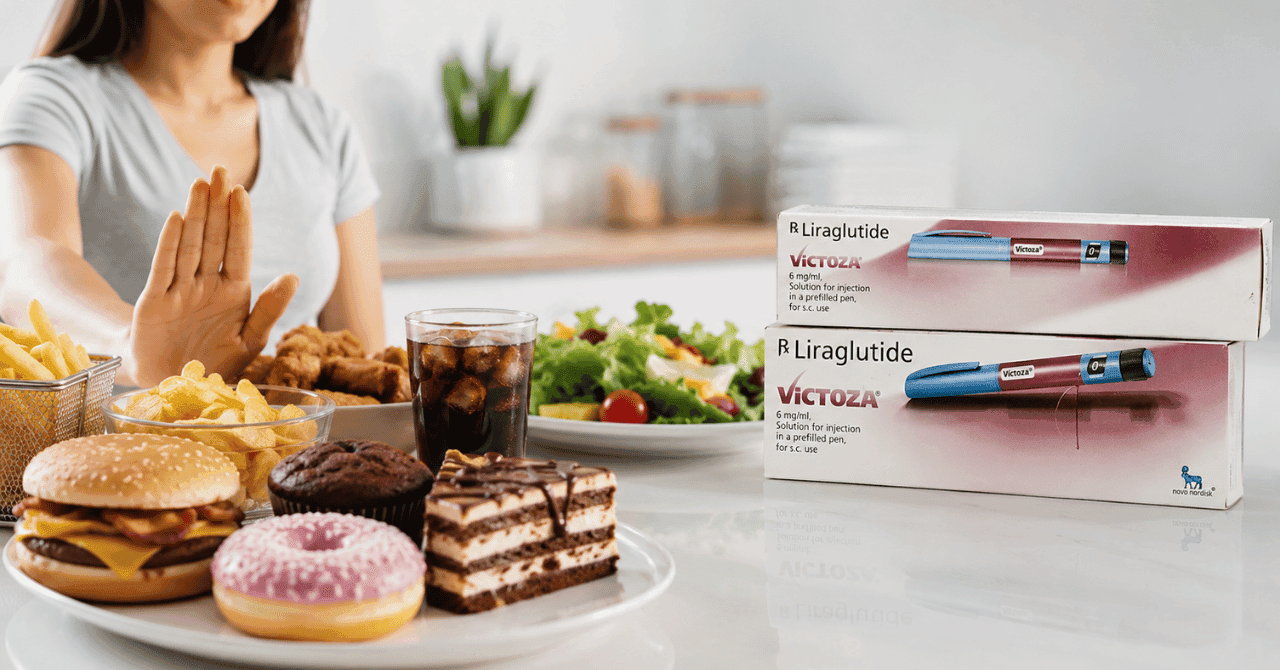
What Are the Tips for Maximizing Victoza Benefits Through Foods?
Diet plays an important role in how well Victoza works. Small, consistent eating habits can help reduce side effects and improve blood sugar control. Following a balanced Victoza weight loss diet plan may improve appetite control and support long-term weight management.
Eat smaller meals throughout the day instead of large portions. This helps reduce nausea and supports smoother digestion. Choose foods that are low in fat and added sugar to avoid blood sugar spikes and stomach discomfort.
Increase fibre intake through vegetables, fruits, and whole grains. Fibre supports digestion and helps maintain steady glucose levels. Include lean protein sources such as chicken, fish, eggs, or plant-based options to improve fullness and reduce overeating.
Stay hydrated with water and avoid sugary beverages. Eating slowly and chewing food properly can also help reduce gastrointestinal side effects.
A consistent, balanced eating pattern supports better weight management and improves overall treatment results with Victoza.
Final Thoughts on Foods to Avoid While on Victoza
Victoza works best when combined with mindful eating habits and a balanced diet. Avoiding high-fat, sugary, and heavily processed foods can help reduce side effects such as nausea, bloating, and digestive discomfort.
Choosing lighter, nutrient-rich meals supports better blood sugar control and enhances the effectiveness of the medication. With the right food choices, patients can improve comfort, maintain stability, and achieve better long-term results from Victoza therapy.
Frequently Asked Questions
Yes. Victoza can cause stomach problems after eating. It slows digestion, which can lead to nausea, bloating, diarrhea, or stomach discomfort after meals. High-fat, greasy, and large meals often worsen these symptoms.
You should limit alcohol while using Victoza. It may increase the risk of dehydration, low blood sugar, and gastrointestinal side effects, especially in people with type 2 diabetes.
People taking liraglutide should avoid high-fat, fried, sugary, and ultra-processed foods. These foods may worsen digestive side effects and disrupt blood sugar control.
Yes, there are easy-to-digest foods such as crackers, toast, rice, bananas, oatmeal, and lean proteins that may help reduce nausea. Eating smaller meals throughout the day can also improve comfort.
Yes. A balanced diet that includes lean proteins, fibre-rich foods, whole grains, and low-sugar options can improve blood sugar control and support weight management during Victoza treatment.
Medical Disclaimer
This blog is provided for informational purposes only and does not replace professional medical advice, diagnosis, or treatment. Information is based on trusted sources, including peer-reviewed studies and recognized medical organizations. Always consult an authorized healthcare professional before making treatment decisions.