Can You Take Zepbound While Pregnant?
Medical professionals strongly advise against taking Zepbound during pregnancy due to potential risks to fetal development. Animal studies suggest concerns about birth defects and reduced offspring weight, though human data remains limited. The medication can decrease oral contraceptive effectiveness by up to 66%, requiring backup birth control methods.
Healthcare providers recommend discontinuing Zepbound at least two months before conception, with immediate cessation if pregnancy occurs. Understanding the full scope of pregnancy-related considerations helps guarantee informed family planning decisions.
Key Takeaways
- Zepbound is strictly contraindicated during pregnancy due to potential risks to fetal development and weight-loss effects on the developing baby.
- Healthcare providers recommend stopping Zepbound 1.5 to 2 months before attempting to conceive to ensure drug clearance.
- Animal studies suggest possible birth defects and decreased offspring weight, though human pregnancy data remains limited.
- Zepbound can reduce oral contraceptive effectiveness by 66%, requiring backup birth control methods during treatment.
- Immediate discontinuation of Zepbound is necessary if pregnancy occurs, followed by prompt consultation with healthcare providers.
What we know about taking Zepbound during pregnancy
In regard to taking Zepbound during pregnancy, medical knowledge remains particularly limited due to the drug's relative newness in the market. The available data primarily comes from animal reproduction studies, which suggest potential risks to fetal development upon exposure to tirzepatide.
Current evidence indicates that Zepbound is contraindicated during pregnancy due to its weight-loss effects and metabolic impacts that could harm fetal growth. While pregnancy registries are collecting data to better understand outcomes, healthcare providers strongly advise against using this medication while pregnant or breastfeeding. The drug's effects on embryonic development and potential for congenital anomalies remain unclear in humans, though animal studies warrant caution.
Women using Zepbound who are planning pregnancy should stop treatment at least 1.5 to 2 months before conception. If pregnancy occurs during treatment, immediate discontinuation and medical consultation are essential to minimize potential risks to both mother and developing fetus.
Why doctors caution against Zepbound use while pregnant
Because of serious concerns about fetal safety and development, doctors strongly caution against using Zepbound during pregnancy. The medication's primary function of promoting weight loss can potentially harm fetal growth, demonstrated in animal studies where tirzepatide caused developmental abnormalities in pregnant rats.
Medical professionals emphasize several key reasons for this cautionary stance. To begin with, there's insufficient human data to fully understand the risks, making it impossible to guarantee safety during pregnancy. Furthermore, the drug may reduce the effectiveness of oral contraceptives, increasing the chance of unplanned pregnancy during treatment.
Moreover, concerns extend to breastfeeding, since it's unknown whether Zepbound passes into breast milk or affects nursing infants. Given these uncertainties, healthcare providers recommend discontinuing Zepbound immediately upon pregnancy detection and advise women to stop the medication at least two months before planned conception.
Can Zepbound affect birth control or pregnancy outcomes
How considerably can Zepbound impact birth control effectiveness? Research shows that Zepbound considerably reduces the absorption of birth control pills by up to 66%, potentially compromising their reliability. This occurs because Zepbound delays stomach emptying, affecting how contraceptive hormones enter the bloodstream.
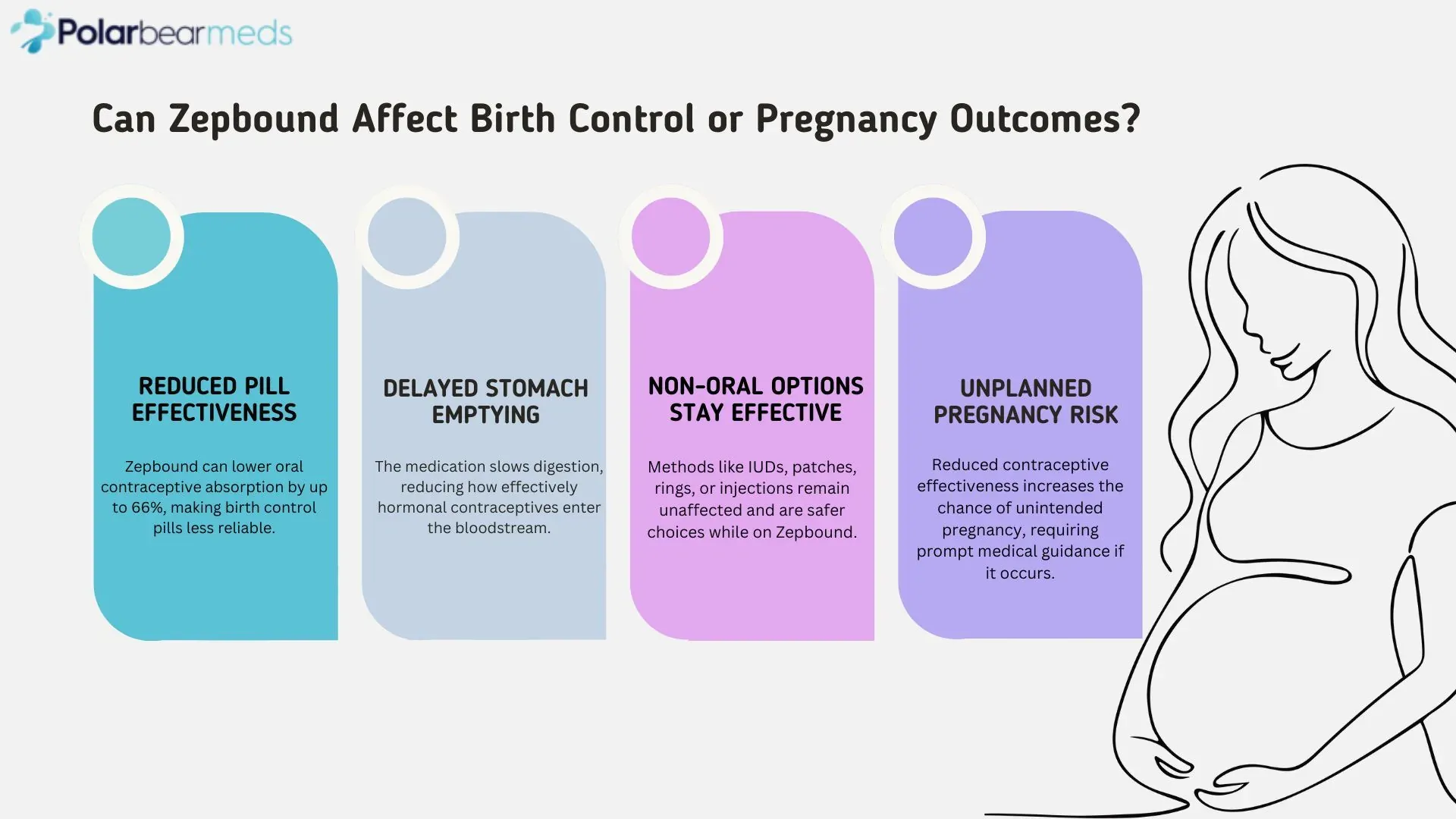
For individuals seeking reproductive autonomy, understanding these interactions is essential. Healthcare providers strongly recommend using backup contraception methods, especially during the initial four weeks of Zepbound treatment and after dose increases. While oral contraceptives face absorption challenges, non-oral methods such as patches, injections, or IUDs remain effective alternatives.
To prevent unintended pregnancy, patients should discuss contraceptive options with their healthcare provider before starting Zepbound. Though no pregnancy registry currently documents specific outcomes from contraceptive failure with Zepbound, maintaining effective birth control is vital during treatment. This applies to both those actively preventing pregnancy and those considering breastfeeding in the future.
What studies say about tirzepatide and pregnancy risks
Research surrounding tirzepatide's effects during pregnancy remains exceptionally limited, with significant gaps in human clinical data. While animal studies have provided some insights, their applicability to human pregnancy outcomes is uncertain. Healthcare providers and researchers emphasize the need for thorough studies to understand potential risks.
Key findings from existing research include:
- No published clinical trials or case reports specifically address tirzepatide use during human pregnancy, leaving critical questions about safety unanswered
- Animal studies suggest possible links to decreased offspring weight and potential birth defects, though these findings cannot definitively predict human outcomes
- Studies examining tirzepatide's impact on fertility, preconception safety, and male reproductive health are strikingly absent
The lack of conclusive evidence has led regulatory bodies and medical professionals to recommend avoiding tirzepatide during pregnancy and breastfeeding. The FDA specifically advises discontinuing the medication at least two months before attempting conception, prioritizing patient safety until more definitive research emerges.
Breastfeeding considerations if you have taken Zepbound
Whilst breastfeeding mothers considering Zepbound face important decisions about medication safety, current scientific understanding of tirzepatide's transfer into breast milk remains limited. The molecular characteristics of tirzepatide suggest minimal passage into breast milk due to its large peptide structure, and any amount that does transfer would likely be broken down in the infant's digestive system.
However, no clinical studies have directly examined tirzepatide levels in human milk or its effects on breastfeeding infants. Healthcare providers must weigh the benefits of maternal treatment against theoretical risks whilst advising patients. For those who choose to breastfeed whilst taking tirzepatide, careful monitoring of infant growth and development is recommended.
Mothers should promptly report any unusual symptoms in their infants to their healthcare providers. Alternative weight management medications with established safety profiles during breastfeeding may be worth considering for some individuals.
Talking with your healthcare provider about safe weight management during pregnancy
Having a productive conversation with healthcare providers about weight management during pregnancy sets the foundation for a healthy pregnancy experience. Healthcare providers evaluate individual BMI and develop personalized weight management strategies that promote peak maternal health while supporting fetal development.
- Healthcare providers establish appropriate gestational weight gain targets based on pre-pregnancy BMI: underweight (28-40 lbs), normal weight (25-35 lbs), overweight (15-25 lbs), and those with obesity (11-20 lbs).
- Regular monitoring includes tracking weight changes, evaluating risks of complications such as gestational diabetes, and adjusting recommendations based on individual health factors.
- Providers offer guidance on balanced nutrition and safe physical activities, often collaborating with specialists to create thorough care plans that address unique maternal health needs.
This tailored approach guarantees expectant mothers receive evidence-based support while maintaining autonomy in their pregnancy experience.
Frequently Asked Questions
Wait 2 months after stopping Zepbound before trying to conceive.
Animal studies show potential risks, but no confirmed human evidence exists for tirzepatide causing birth defects. Contact healthcare provider immediately if pregnancy occurs while taking Zepbound.
Limited data exists on Zepbound's direct effect on male fertility. Weight loss from the medication may improve sperm parameters, but long-term effects remain unknown. Consult a healthcare provider for individual guidance.
Insurance rarely covers Zepbound alternatives during pregnancy. Plans typically deny weight loss medications in pregnancy unless medically necessary with documented health conditions and prior authorization.
Wait 6-8 weeks postpartum before restarting Zepbound, even if not breastfeeding. Optimal wait time is 3 months to allow full postpartum recovery.
References