Does Ozempic Cause Blurry Vision? Risks & Safety Guide
Key Takeaways:
- Temporary Blurriness: A common adjustment phase caused by rapid blood sugar drops, temporarily altering the shape of the eye's lens.
- Severe Risks: GLP-1 medications are linked to rare but permanent vision threats, including worsening diabetic retinopathy and NAION ("eye stroke").
- Next Steps: Do not stop your medication abruptly, but seek an immediate ophthalmologist consultation if you experience sudden, painless vision loss or new floaters.
Yes, Ozempic can cause blurry vision, especially when starting treatment. Sudden blood sugar shifts alter how your eye’s lens focuses, causing temporary blurriness that typically improves as glucose stabilizes. However, the FDA prescribing information warns that diabetic retinopathy complications can worsen in patients with existing eye disease. Never ignore persistent or worsening visual symptoms.
Why Does Ozempic Cause Blurry Vision?
The most common reason for Ozempic vision problems is rapid blood sugar fluctuations. As a GLP-1 receptor agonist, Ozempic lowers glucose levels quickly, which can temporarily change the shape of your eye’s lens and make your vision appear out of focus. This is why many people notice blurred vision after starting Ozempic or adjusting their dose.
Another key factor is low blood sugar. Using Ozempic with insulin or similar medications can increase the risk of hypoglycemia, which may trigger blurry vision. In some cases, these Semaglutide vision changes are also linked to existing eye conditions, where rapid glucose improvement can temporarily worsen diabetic retinopathy complications.
Is Blurry Vision from Ozempic Temporary or Dangerous?
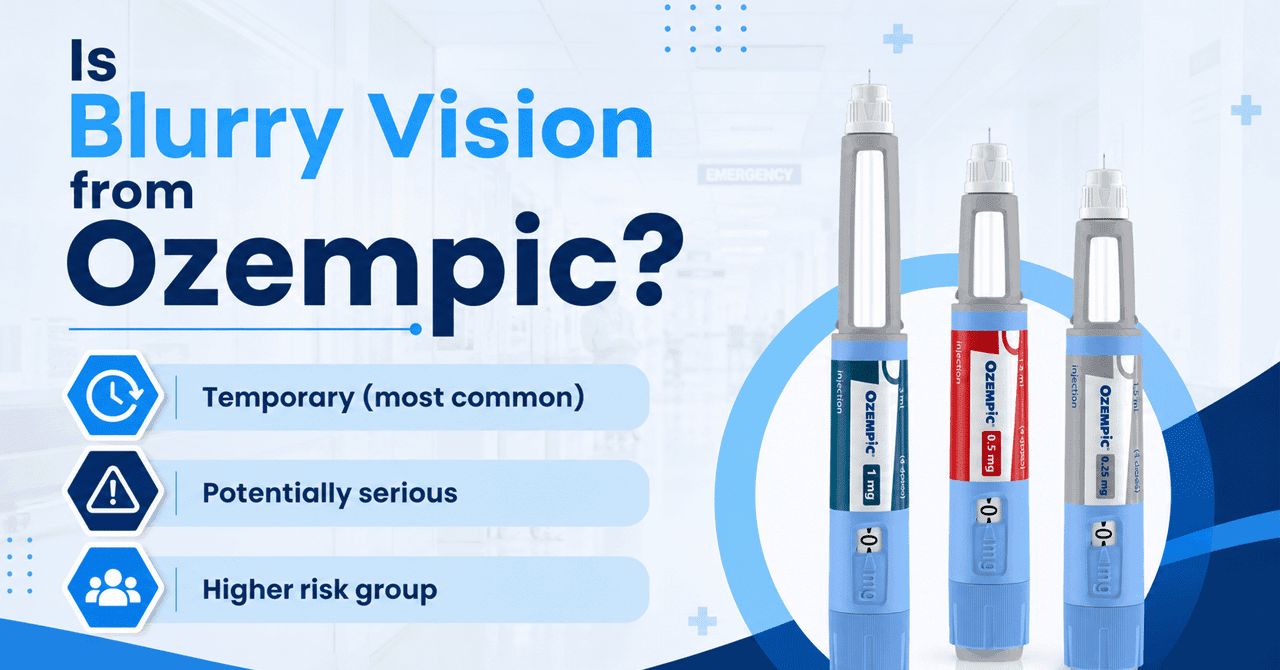
Blurry vision from Ozempic is usually temporary, but it can be serious in some cases.
- Temporary (most common): Happens due to blood sugar fluctuations. Vision improves as levels stabilize.
- Potentially serious: According to CDC data, high blood sugar can damage retinal blood vessels, causing swelling or leakage that leads to blurry vision.
- Higher risk group: People with existing diabetic retinopathy may experience worsening symptoms when starting treatment.
How Long Does Blurry Vision from Ozempic Last?
For most patients, temporary blurry vision from Ozempic resolves within a few weeks to a few months. This timeline directly depends on how long it takes for your body to adapt to your new, stabilized blood sugar levels. Once your glucose levels stabilize, the fluid in your eyes will balance out, and normal focus typically returns.
The timeline is crucial for your safety. If you experience persistent blurred vision that does not improve after a few months, or if your eyesight suddenly worsens, schedule a comprehensive eye exam immediately. Persistent symptoms might not be an adjustment issue; they could indicate progressing diabetic eye disease that requires targeted treatment options, such as laser therapy or VEGF inhibitors.
Serious Ozempic Eye Side Effects and Risks
While temporary blurriness is a common side effect as your body adjusts, semaglutide is also associated with rare but severe visual complications that require immediate medical intervention.
| Risk | What to Do |
|---|---|
| Worsening Diabetic Retinopathy | Get regular dilated eye exams. An OHDSI network study warns that rapid glucose drops can acutely worsen existing eye damage. |
| Non-Arteritic Anterior Ischemic Optic Neuropathy (NAION) | Seek emergency care immediately for sudden, painless vision loss in one eye. Recent multinational population-based studies have identified a potential link between GLP-1 receptor agonists and this severe eye stroke. |
| Macular Edema | Consult an ophthalmologist if your central vision becomes blurry or distorted due to retinal swelling. |
← Swipe to see more →
How to Protect Your Eyes While Taking Ozempic
While on semaglutide, proactive management is your best defense against both temporary focusing issues and severe diabetic eye complications. Take these specific protective steps:
- Get a dilated eye exam annually: Routine checks allow your eye doctor to spot microscopic retinal changes early, which is critical before starting or increasing your GLP-1 dosage.
- Control blood pressure and cholesterol: Managing these two cardiovascular metrics is just as critical as controlling your glucose for lowering your overall risk of vision loss.
- Quit smoking and stay active: Regular physical activity helps manage systemic diabetes and protects your eyes, while quitting smoking drastically lowers your risk of diabetes-related eye diseases.
- Avoid drastic glucose shifts: Work with your prescribing physician to lower your blood sugar steadily rather than abruptly to prevent the rapid lens shifting that causes temporary blurred vision.
The Bottom Line: Does Ozempic Affect Your Eyesight?
While temporary blurry vision from rapid blood sugar shifts is a common adjustment phase when starting semaglutide, the medication is also linked to severe, permanent complications like NAION and worsening diabetic retinopathy.
Because of these rare but critical risks, you should never ignore sudden visual changes and must prioritize regular comprehensive eye exams alongside your metabolic management plan. Once your healthcare provider has evaluated your risks and cleared you to safely continue GLP-1 therapy, fulfilling your prescription through a certified, fully licensed pharmacy ensures you receive authentic, uninterrupted medication.
Frequently Asked Questions
Yes, in most cases, temporary blurred vision resolves within a few weeks to a few months. As your body adapts to lower glucose levels, the fluid in the eye's lens balances out, returning your vision to normal.
While rare, permanent vision loss is possible. Semaglutide use has been linked to a severe condition called NAION (an "eye stroke" that causes sudden, permanent vision loss). Rapid blood sugar drops can also cause a permanent worsening of diabetic eye disease.
Annual dilated eye exams are the baseline recommendation from the CDC. Your eye doctor might suggest more frequent visits if you experience sudden visual shifts or have a history of diabetic retinopathy.
Go to an emergency clinic immediately if you notice sudden, painless vision loss in one eye, flashes of light, or new dark spots. These symptoms point to advanced retinal damage or NAION.
Yes, patients on Wegovy face the exact same visual risks because both medications share the active ingredient semaglutide and belong to the GLP-1 receptor agonist class.
Medical Disclaimer
This blog is provided for informational purposes only and does not replace expert medical guidance, diagnosis, or treatment. The content is based on trusted sources, including U.S. Food and Drug Administration (FDA) prescribing information, Centers for Disease Control and Prevention (CDC) data, and peer-reviewed research from the National Library of Medicine (PubMed), but individual responses may vary. Always consult an authorized healthcare professional before making treatment decisions.