What Are the Bad Side Effects of Victoza?
Victoza side effects can range from mild digestive issues to more serious health risks, especially when starting treatment or increasing the dose. Victoza is a GLP-1 receptor agonist given as a subcutaneous injection to support blood glucose regulation in people with type 2 diabetes and to reduce cardiovascular risk.
While effective, its side effects can vary in severity. Understanding these effects and knowing when to seek medical attention can help ensure safer use, particularly given its FDA boxed warning about thyroid tumors.
What Are the Most Common Bad Side Effects of Victoza?
Victoza (liraglutide) can cause several common side effects, especially when you first start treatment or increase your dose. These effects are usually mild to moderate and temporary, but should be monitored if persistent.
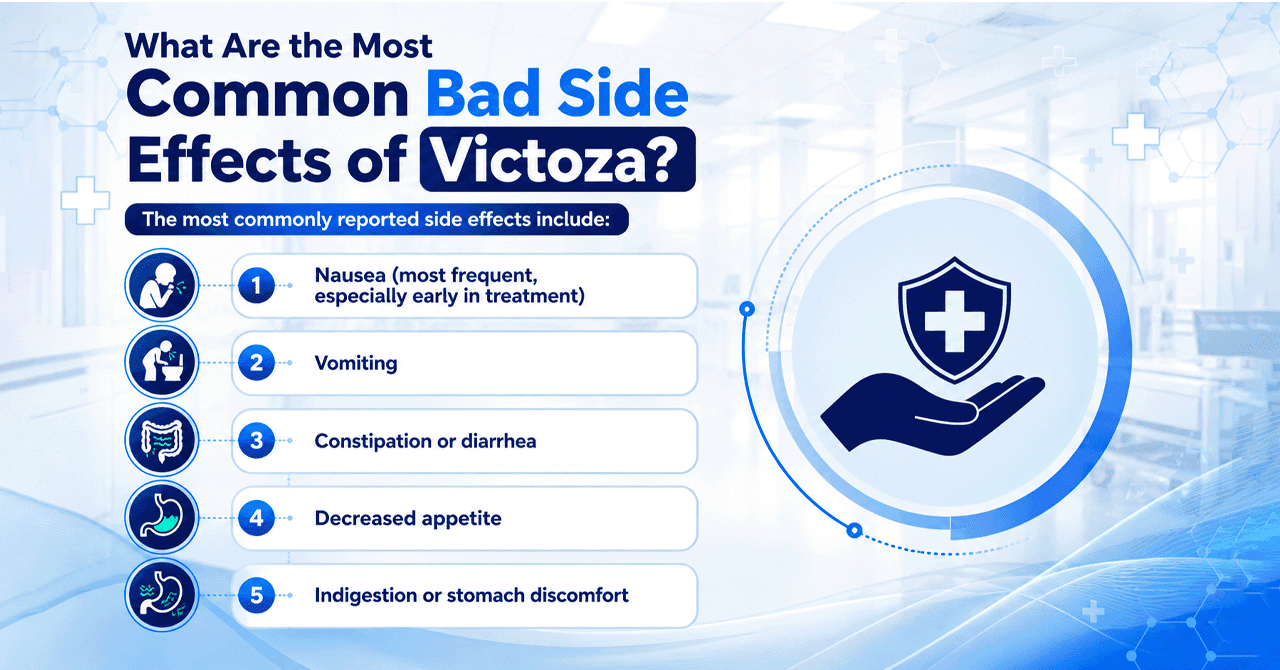
The most commonly reported side effects include:
- Nausea (most frequent, especially early in treatment)
- Vomiting
- Constipation or diarrhea
- Decreased appetite
- Indigestion or stomach discomfort
These side effects are largely linked to how Victoza slows gastric emptying, which affects digestion and appetite regulation. While they are not typically dangerous, ongoing or severe symptoms should not be ignored and may require dose adjustment or further evaluation.
What Are the Serious Side Effects of Victoza You Should Know?
Understanding the common vs. serious side effects of Victoza is important, as some liraglutide serious side effects require immediate medical attention. These are less common but important to recognize early, as delaying care can lead to complications. Certain risks, such as pancreatitis or thyroid tumors, are specifically highlighted in safety warnings. The following table summarizes the most critical risks for quick reference:
| Serious Side Effect | Warning Symptoms | What You Should Do |
|---|---|---|
| Pancreatitis | Severe abdominal pain (may radiate to the back), nausea, vomiting | Stop Victoza and seek immediate medical care |
| Gallbladder problems | Upper right abdominal pain, fever, jaundice | Contact your doctor immediately |
| Kidney problems | Reduced urination, swelling, and dehydration from vomiting/diarrhea | Seek medical advice; may need dose adjustment |
| Thyroid tumors (boxed warning) | Neck lump, hoarseness, difficulty swallowing | Get an urgent medical evaluation |
| Severe allergic reaction | Rash, swelling of the face/throat, difficulty breathing | Call emergency services immediately |
← Swipe to see more →
Recognizing warning signs, especially Victoza pancreatitis symptoms, and acting quickly can prevent serious complications.
What Are the Long-Term Side Effects of Victoza?
Victoza is often prescribed for ongoing use. However, in some cases, certain side effects may develop with prolonged use or require ongoing monitoring. Some potential long-term effects include:
- Ongoing digestive issues: Mild nausea, reduced appetite, or stomach discomfort may continue in some users, though usually less intense than in the early weeks.
- Gallbladder problems: Long-term use may increase the risk of gallstones or inflammation of the gallbladder.
- Kidney complications: Prolonged dehydration from vomiting or diarrhea can affect kidney function, particularly in people with pre-existing kidney issues.
- Pancreatitis risk: Although rare, inflammation of the pancreas can occur and may require stopping the medication.
- Thyroid tumor risk: Many patients ask, “Does Victoza cause thyroid cancer?” While animal studies showed a potential risk, this has not been clearly confirmed in humans. Doctors may monitor symptoms and, in some cases, TSH levels if thyroid concerns arise.
Regular follow-ups with your doctor are important to monitor for any long-term effects. Blood tests, symptom tracking, and dose adjustments can help reduce risks and ensure the medication remains safe and effective for you.

Who Is at Higher Risk of Bad Side Effects from Victoza?
Not everyone experiences side effects the same way. Certain groups may have a higher risk of developing more severe or persistent reactions to Victoza. These include:
- People with a history of pancreatitis: Victoza may increase the risk of recurrence.
- Patients with thyroid cancer risk factors: Especially those with a personal or family history of medullary thyroid carcinoma or MEN 2 syndrome.
- Individuals with kidney problems: Side effects like vomiting or diarrhea can lead to dehydration and worsening kidney function.
- People with gallbladder disease: There may be an increased risk of gallstones or inflammation.
- Those taking certain medications: Drugs that affect blood sugar or digestion may increase side effect risk or severity.
How Long Do Victoza Side Effects Last?
Most common side effects of Victoza are temporary and occur during the early stages of treatment. They typically improve over time, especially with gradual dose increases.
- Short-term effects: Nausea, vomiting, and appetite loss usually last a few days to a few weeks, especially after starting or increasing the dose.
- Adjustment phase: Gradual dose increases help reduce the intensity and duration of side effects.
- Persistent symptoms: If side effects continue beyond a few weeks or become bothersome, medical review is necessary.
- Serious side effects: Conditions like pancreatitis or gallbladder issues do not resolve on their own and require immediate care.
Tracking your symptoms and communicating changes to your doctor can help manage the duration effectively.
How to Manage or Reduce the Bad Side Effects of Victoza
Managing side effects early can improve your overall experience with Victoza and help you stay consistent with treatment.
- Start with a low dose: Doctors typically increase the dose gradually to allow your body to adjust.
- Eat smaller, low-fat meals: This can reduce nausea and digestive discomfort.
- Stay hydrated: Drinking enough fluids helps prevent dehydration, especially if you have vomiting or diarrhea.
- Avoid overeating: Large meals can worsen stomach-related side effects.
- Take the medication at the same time daily: Consistency can help your body adapt better.
- Consult your doctor if symptoms persist: Dose adjustment or alternative medications may be needed.
The Final Thoughts on the Bad Side Effects of Victoza
Victoza (liraglutide) is an effective treatment for managing type 2 diabetes and reducing cardiovascular risk, but it can cause side effects ranging from mild digestive issues to more serious health concerns. Most side effects are mild, but some require monitoring or medical attention.
However, recognizing warning signs of serious reactions is essential for safe use. Patient-reported experiences suggest that many symptoms improve over time with proper dose adjustment. Regular follow-ups with your healthcare provider ensure that the benefits of Victoza outweigh the risks and that your treatment remains both safe and effective.
Frequently Asked Questions
Victoza commonly leads to weight loss, not weight gain. It works by slowing digestion and reducing appetite, which can help some people eat less and lose weight over time.
Yes, side effects like nausea and vomiting are usually more noticeable at the beginning or after a dose increase. They often improve within a few days to weeks as your body adjusts.
One of the most serious risks is pancreatitis, which causes severe abdominal pain and requires immediate medical attention. Victoza also carries an FDA boxed warning for potential thyroid tumors.
Medical Disclaimer
This blog is provided for informational purposes only and does not replace professional medical advice, diagnosis, or treatment. Information is based on trusted sources, including peer-reviewed studies and recognized medical organizations. Always consult an authorized healthcare professional before making treatment decisions.