Why Take Jardiance and Metformin Together? Benefits & How It Works
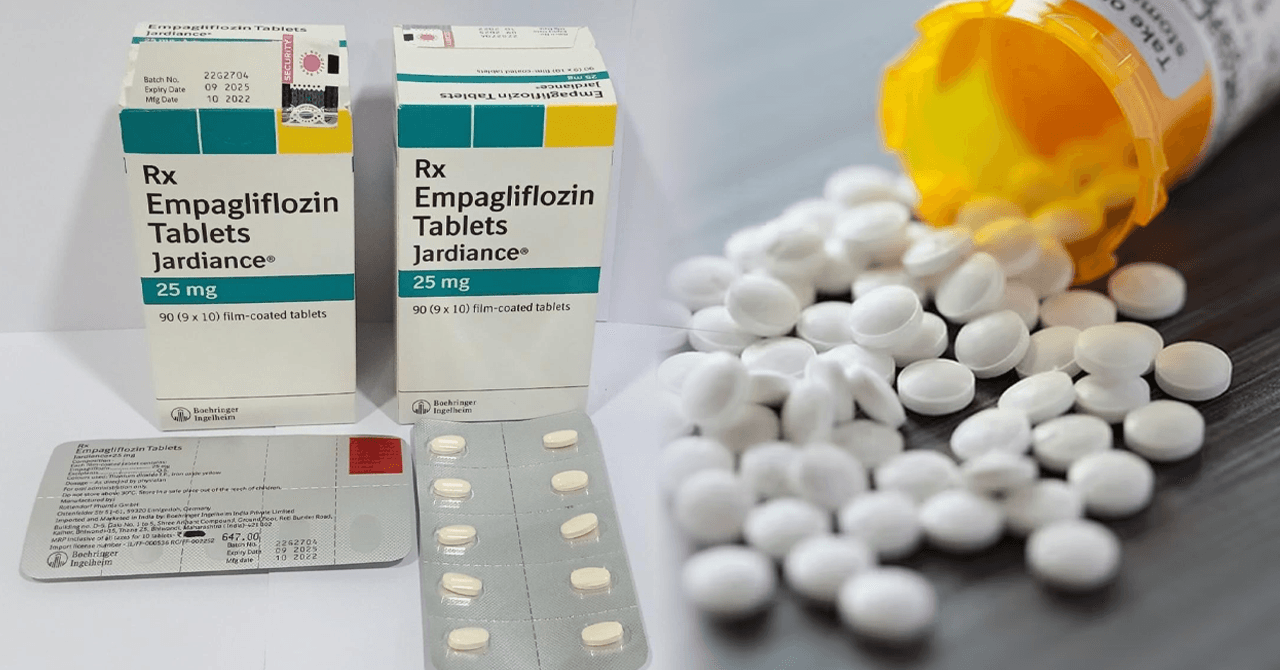
Why take Jardiance and Metformin together? Doctors prescribe this combination because it lowers blood sugar through two complementary pathways, leading to stronger and more consistent control than either medication alone. Metformin reduces glucose production in the liver, while Jardiance (an SGLT2 inhibitor) removes excess sugar through urine. According to DailyMed information, Jardiance helps improve glycemic control and reduce the risk of cardiovascular death in adults with type 2 diabetes. Together, this combination may also support modest weight loss and kidney protection, making it a common next step when Metformin alone is not enough to manage type 2 diabetes mellitus.
How Jardiance and Metformin Work Together in Your Body
Jardiance and Metformin are often prescribed together because they lower blood sugar through different biological pathways. This complementary action is why this combination is widely used in U.S. clinical practice for the management of type 2 diabetes.
Metformin (Biguanide Action)
Metformin, a biguanide, primarily reduces hepatic glucose production and improves insulin sensitivity in muscle and other tissues. It is FDA-approved to improve glycemic control in patients with type 2 diabetes mellitus.
Jardiance (SGLT2 Inhibitor Action)
Jardiance is an SGLT2 inhibitor that works in the kidneys by blocking glucose reabsorption, allowing excess sugar to be removed through urine. This mechanism is independent of insulin, making it effective even in insulin-resistant patients.
Why This Combination Is More Effective
When used together, Metformin reduces the amount of glucose your body produces, while Jardiance removes excess glucose already in circulation. The National Center for Biotechnology Information (NCBI) reports that this complementary approach enhances overall glucose control in patients with type 2 diabetes mellitus.
Is Taking Jardiance and Metformin Together Beneficial?
The benefits of taking Jardiance and Metformin together come from their complementary mechanisms, which target blood sugar from multiple pathways. The key benefits are as follows:
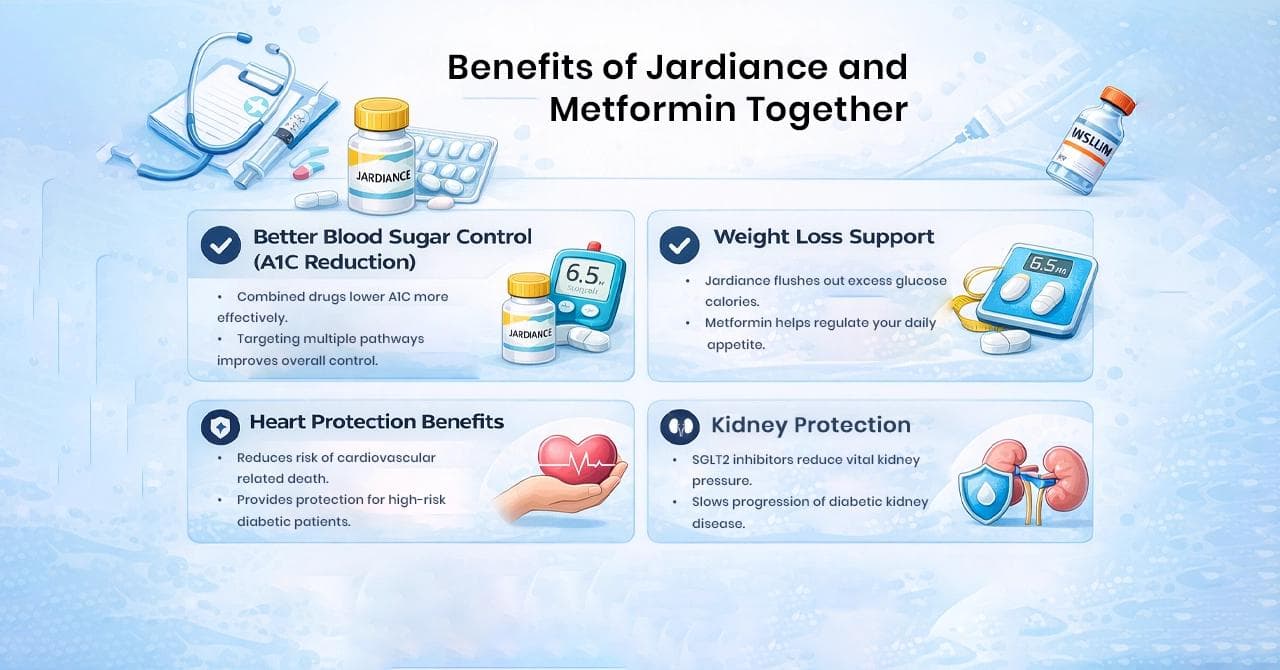
- Better Blood Sugar Control (A1C Reduction): If your blood sugar remains high, combining these drugs can improve control more effectively. Evidence from the National Library of Medicine (NLM) shows greater A1C reduction than with either drug alone.
- Weight Loss Support: You may notice modest weight loss because Jardiance removes excess glucose (calories) through urine, while Metformin can help regulate appetite and metabolism.
- Heart Protection Benefits: If you have type 2 diabetes with cardiovascular risk, this combination provides added protection. The FDA states that empagliflozin reduces the risk of cardiovascular death.
- Kidney Protection: SGLT2 inhibitors like empagliflozin help reduce pressure in the kidneys and slow disease progression, which is important if you are at risk of diabetic kidney disease.
This is why doctors recommend this combination: it directly answers the question of why take Jardiance and Metformin together when one drug alone is not enough.
What Is the Difference Between Jardiance and Metformin?
Here’s how these medications differ and why they’re often used together:
| Feature | Metformin | Jardiance (empagliflozin) |
|---|---|---|
| Drug Class | Biguanide | SGLT2 inhibitor |
| How It Works | Reduces glucose production in the liver and improves insulin sensitivity | Blocks glucose reabsorption in the kidneys, increasing urinary glucose excretion |
| Primary Use | First-line treatment for type 2 diabetes mellitus | Add-on therapy when additional control is needed |
| Effect on A1C | Moderate reduction | Additional A1C lowering when combined with Metformin |
| Weight Impact | Neutral or slight loss | Modest weight loss due to calorie loss through urine |
| Heart Benefits | Limited direct effect | Reduces the risk of cardiovascular death in high-risk patients |
| Kidney Benefits | Indirect benefit via glucose control | Slows the progression of kidney disease |
| Common Side Effects | GI issues (nausea, diarrhea) | UTIs, yeast infections, and increased urination |
| Role in Therapy | Foundation treatment | Added when Metformin alone is not enough |
← Swipe to see more →
Can You Take Jardiance and Metformin at the Same Time?
Yes. Jardiance and Metformin are commonly prescribed together because they lower blood sugar through different mechanisms and can be safely combined under medical supervision. In practice:
- Jardiance is taken once daily, usually in the morning
- Metformin is taken with meals to reduce gastrointestinal side effects
Jardiance and Metformin dosage should always be individualized based on kidney function, blood glucose levels, and overall treatment goals.
Note: A combination tablet called Synjardy contains both empagliflozin and Metformin in a single pill, which may simplify your treatment routine.
What Are the Side Effects of Taking Jardiance and Metformin Together?
Both medications have different side effect profiles. When used together, you may experience:
| Type | Side Effects |
|---|---|
| Common Side Effects | Nausea, diarrhea, stomach discomfort (Metformin) Increased urination (Jardiance) Urinary tract infections and yeast infections |
| Serious Risks | Lactic acidosis (rare but serious, linked to Metformin) Dehydration and low blood pressure due to fluid loss Diabetic ketoacidosis (SGLT2 inhibitor risk) |
| Low Blood Sugar Risk | Low when used alone Higher if combined with insulin or similar medications |
← Swipe to see more →
Who Should Not Take Jardiance and Metformin Together?
This combination is not suitable for everyone, especially if you have certain underlying health conditions that increase the risk of complications.
- Severe kidney disease (low eGFR): Both medications require kidney function monitoring, and use may be restricted in advanced kidney impairment.
- Type 1 diabetes: SGLT2 inhibitors like empagliflozin enhance the risk of diabetic ketoacidosis in these patients.
- History of lactic acidosis: Metformin carries an FDA boxed warning for this rare but serious condition.
- Liver disease or heavy alcohol use: These can increase the risk of lactic acidosis and other metabolic complications.
When Should You Seek Medical Help While Taking Jardiance and Metformin?
You should seek immediate medical attention if you experience symptoms that indicate a serious reaction to either medication.
- Severe weakness or unusual fatigue
- Trouble breathing or shortness of breath
- Persistent nausea or vomiting
- Signs of infection, such as swelling, redness, fever, or pain
These symptoms may indicate conditions like lactic acidosis, dehydration, or infection and require prompt medical evaluation.
The Bottom Line: Should You Take Jardiance and Metformin Together?
Taking Jardiance and Metformin together is a well-established treatment strategy for managing type 2 diabetes mellitus when one medication alone is not enough. By targeting blood sugar through different mechanisms, this combination helps improve A1C levels, supports weight management, and provides additional cardiovascular and kidney protection. As outlined in FDA-approved data and National Library of Medicine (NLM) research, this dual therapy is widely used in U.S. clinical practice for better long-term outcomes.
Frequently Asked Questions
Because they work through different mechanisms, combining them improves glycemic control more effectively than either drug alone. This approach is commonly used when A1C levels remain above target or when additional heart and kidney protection is needed.
Yes, Jardiance can be used alone, but Metformin is usually the first-line treatment for type 2 diabetes mellitus. In many cases, doctors continue Metformin and add Jardiance for better overall control.
Jardiance can help reduce A1C levels, especially when combined with Metformin. According to evidence from the National Library of Medicine (NLM), combination therapy provides greater A1C reduction compared to using either medication alone.
Yes, modest weight loss is possible. Jardiance removes excess glucose (calories) through urine, while Metformin may support metabolic balance. However, results vary depending on your diet, activity level, and overall treatment plan.
Jardiance is typically taken once daily in the morning, while Metformin is taken with meals to reduce gastrointestinal side effects. The exact dosage is individualized based on blood sugar levels, kidney function, and overall treatment goals.
No harmful drug interaction is expected because they work in different organs. Metformin acts in the liver and muscles, while Jardiance works in the kidneys, which is why they are commonly prescribed together.
The fixed-dose combination is called Synjardy, which contains empagliflozin and Metformin in a single tablet for convenience.
The hypoglycemia risk is low when these drugs are used together. However, the risk may increase if you are also taking insulin or other glucose-lowering medications.
The most serious risk is lactic acidosis, a rare but potentially life-threatening condition. This risk is higher in people with kidney problems or certain underlying conditions, which is why monitoring is important.
Important Disclaimer
This blog is provided for informational purposes only and does not replace expert medical guidance, diagnosis, or treatment. The information is based on trusted sources, including the FDA and National Institutes of Health (NIH), but individual responses to medications may vary. Always consult an authorized healthcare professional before making treatment decisions.